Knowledge Hub

Packaging Insights & Resources

Industry guides, material trends, and innovations in custom flexible packaging.

0%

Choosing the right China best custom printed stand up pouches manufacturer requires more than comparing prices. Packaging must protect products, present clear branding, and perform reliably across filling, transport, and retail display. Custom printed stand up pouches can support these goals with practical formats, strong shelf presence, and flexible material options.

An experienced manufacturer should explain barrier requirements, seal strength, pouch dimensions, zipper performance, and printing limitations before production begins. For example, a coffee pouch may need aroma protection, while a dried-food pouch may require moisture resistance and a stable bottom gusset. A reliable supplier should provide artwork checks, material specifications, production samples, and inspection records. Certifications and testing should be verified for the intended market and product category.

Good communication matters.

Look for a factory that answers technical questions clearly, reports realistic lead times, and explains minimum order quantities without hiding conditions. Factory audits, sample reviews, and documented quality procedures can reduce avoidable risks. However, no supplier is perfect. Color variation, delivery changes, or artwork misunderstandings may still occur, especially during the first order. That weakness deserves attention, not denial. A thoughtful manufacturer will acknowledge such risks and offer corrective steps.

This guide examines how to evaluate Chinese pouch manufacturers through production experience, technical knowledge, quality control, customization capability, and customer support. It also considers whether a supplier can deliver consistent results beyond attractive samples. The best choice is not always the cheapest quotation. It is the manufacturer that combines dependable performance, transparent cooperation, and packaging advice suited to your product.
China Best Custom Printed Stand Up Pouches Manufacturer?

What Are Custom Printed Stand-Up Pouches?

Custom printed stand-up pouches are flexible packages designed to stand upright on shelves. They usually include a bottom gusset, heat-sealed edges, and a resealable zipper. The structure gives products a stable display and practical daily access. Common material options include plastic films, aluminum layers, paper laminates, and recyclable mono-material films. Each choice affects barrier performance, appearance, and recycling suitability.

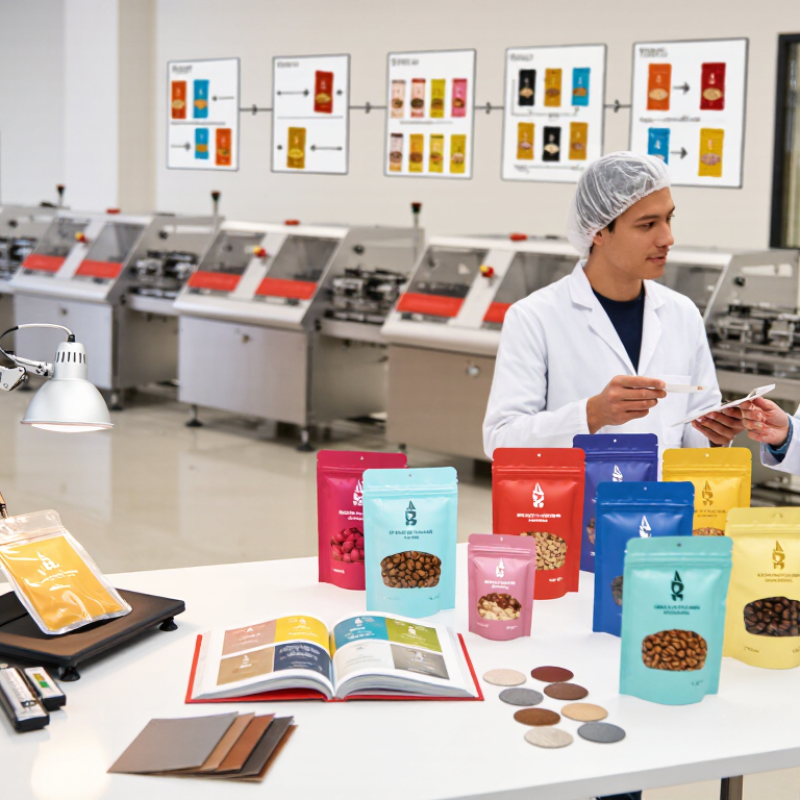
In production, the printed artwork is applied to the outer layer before lamination. This protects colors from rubbing and moisture. A pouch for roasted coffee may need strong oxygen and aroma protection. A dry snack pouch may require less barrier protection but better tear resistance. Experienced manufacturers should confirm thickness, seal strength, zipper performance, and filling conditions before mass production. Small samples matter. A beautiful design can still fail if the pouch does not seal consistently. Testing should include leakage checks, drop tests, and storage trials under realistic conditions. Local packaging and labeling requirements must also be reviewed.

Tips: Share product weight, dimensions, shelf life, filling temperature, and storage environment. Request a physical sample before approving bulk production. Check color accuracy under normal lighting, not only on a screen. Matte finishes look elegant, but they may show fingerprints more easily. I have seen projects focus heavily on artwork while overlooking the opening experience. That detail deserves another look.

Which Materials and Features Define High-Quality Stand-Up Pouches?

China Best Custom Printed Stand Up Pouches Manufacturer?

High-quality stand-up pouches begin with the correct material structure. PET provides strength and a clean printing surface. PE adds flexibility and supports reliable heat sealing. For oxygen-sensitive products, aluminum foil or EVOH can improve barrier protection. Each layer has a job. A pouch may look attractive, yet perform poorly if its seal strength is weak.

Features should match the product and distribution environment. A zipper helps repeated opening, while a spout supports controlled pouring. Rounded corners can reduce puncture risks during transport. Matte, gloss, and soft-touch finishes change both appearance and handling. I have seen attractive samples fail after rough shipping tests. A perfect pouch does not exist. Design decisions require testing, not guesses.

Tips: Ask for material specifications, seal-strength data, and barrier test results. Check whether the structure suits moisture, oxygen, light, and temperature needs. Request printed samples before approving bulk production. Inspect color consistency and registration carefully. Also, confirm documented food-contact compliance when packaging edible products. Some projects over-specify materials, which increases cost without improving protection. A practical manufacturer should explain that trade-off clearly.

How to Evaluate a Custom Stand-Up Pouch Manufacturer

Choosing a China-based custom stand-up pouch manufacturer requires more than comparing quotations. Ask how they control film thickness, seal strength, print registration, and pouch dimensions. A reliable supplier should provide material structures, test methods, and realistic tolerances before production. Request physical samples, not only digital artwork. Check the zipper, bottom gusset, tear notch, and filling performance by hand. Small details matter.

During a factory review, examine whether incoming films are identified by batch and stored away from moisture. Confirm calibration records for sealing and printing equipment. Independent reports for oxygen transmission, moisture transmission, migration, and seal strength add useful evidence. Certifications can support credibility, but certificates alone prove little. Verify their scope, expiry date, and issuing body. Ask for corrective-action records when defects occur. Honest answers are valuable.

A capable manufacturer should explain lead times, minimum order quantities, sampling charges, plate costs, and reprint policies in writing. Their quality team should discuss ink adhesion, color variation, and pouch leakage without hiding uncertainty. I have seen attractive samples fail after repeated opening, so test them with the intended filling process. An imperfect first sample is acceptable. Unclear ownership of the problem is not. Choose a partner who records revisions, protects artwork files, and gives measurable inspection results. Price still matters, but a low quote can become expensive through waste, delays, and rejected packaging.

How to Evaluate a Custom Stand-Up Pouch Manufacturer

Use these practical evaluation criteria when comparing manufacturers for custom printed stand-up pouches. The percentages represent a suggested purchasing weight, not the performance of any specific company or brand.

Barrier performance can be verified through oxygen transmission rate and water vapor transmission rate testing, while seal integrity may be assessed with seal-strength and leak-testing methods such as ASTM F88 and ASTM F1929. Food-contact documentation, printing consistency, order flexibility, and delivery reliability should also be reviewed before approval.

What Printing and Customization Options Are Available?

When evaluating a China-based custom pouch manufacturer, review printing options carefully. Custom printed stand-up pouches can use rotogravure, flexographic, or digital printing. Each method suits different order sizes, artwork details, and budgets. Rotogravure delivers stable color across large production runs. Digital printing reduces setup for short runs and seasonal designs. Flexographic printing offers practical efficiency for simpler artwork. Always request a physical proof. Screen colors may look brighter than finished film.

Customization extends beyond artwork. Choose matte, gloss, soft-touch, or selective varnish finishes. A clear window can display product texture, while metallic film creates stronger shelf impact. Common structures include PET/PE, recyclable mono-material films, and high-barrier laminates. The correct choice depends on oxygen, moisture, light, and sealing requirements. Zippers, tear notches, spouts, rounded corners, and hang holes improve handling. Test dimensions with actual filling equipment. Small errors become expensive.

A dependable supplier should confirm ink adhesion, seal strength, pouch dimensions, and color tolerance before mass production. Request migration documentation when packaging contacts food or other regulated products. Factory samples should pass drop, leak, and opening tests. Inspect the zipper alignment too. It is often overlooked. Impressive printing cannot fix a weak barrier or poor seal. Clear specifications, retained samples, and written approvals reduce misunderstandings. Every project still needs review after the first production batch, because film behavior can change slightly with temperature and machine settings.

China Best Custom Printed Stand Up Pouches Manufacturer? - What Printing and Customization Options Are Available?

Customization Dimension Available Options Typical Technical Details Best-Suited Applications Important Selection Considerations
Printing Method Rotogravure, digital printing, and flexographic printing Rotogravure is commonly selected for long production runs and consistent high-quality graphics. Digital printing is suitable for short runs, variable designs, and artwork testing. Flexographic printing is generally used for simpler graphics and selected film structures. Food, coffee, pet food, snacks, powders, household products, and promotional packaging Printing method affects minimum order quantity, setup cost, lead time, color consistency, and unit price.
Color and Artwork CMYK, spot colors, custom color matching, matte or glossy graphics, and full-surface artwork CMYK uses four process colors. Spot-color systems can improve consistency for specific brand colors. Final color appearance may vary slightly between digital displays, printed film, and different substrates. Retail packaging requiring product images, illustrations, nutritional panels, barcodes, and instructions Artwork should be supplied as print-ready vector or high-resolution files with bleed, safe areas, and readable barcode contrast.
Surface Finish Gloss, matte, soft-touch matte, spot gloss, metallic effect, and transparent window Gloss finishes enhance color brightness. Matte finishes reduce reflected light. Soft-touch coatings provide a smoother tactile feel. Spot effects can highlight logos or selected design areas. Premium food, cosmetics, coffee, confectionery, and gift-oriented packaging Surface treatments can influence scuff resistance, recyclability, appearance, and compatibility with downstream packing equipment.
Packaging Material Structure PET/PE, PET/CPP, PET/AL/PE, PET/VMPET/PE, PA/PE, and selected mono-material PE or PP structures PET provides printability and stiffness. PE and CPP are commonly used as heat-sealing layers. Aluminum foil and metallized films improve light and oxygen barriers. Nylon can improve puncture resistance. Dry foods, coffee, sauces, frozen products, powders, pet food, and non-food products The structure should be chosen according to oxygen, moisture, aroma, light, grease, puncture, and heat-seal requirements.
Barrier Performance Standard barrier, high moisture barrier, high oxygen barrier, aroma barrier, light barrier, and retort-compatible barrier Barrier performance is determined by the complete laminate structure and sealing quality. Aluminum and metallized layers generally provide stronger light protection than clear structures. Coffee, nuts, meat snacks, powdered products, oxygen-sensitive foods, and products requiring extended shelf life Required shelf life, filling temperature, storage conditions, product moisture, and oxygen sensitivity should be specified before material selection.
Pouch Size Custom width, height, bottom gusset, and fill volume Dimensions are normally defined by the product volume, bulk density, filling method, seal area, and required headspace. Common commercial formats range from small sample pouches to large multi-kilogram bags. Single-serve products, household refills, pet food, coffee, snacks, powders, and bulk products A physical product sample or accurate product measurements help determine the correct finished pouch dimensions.
Closure System Press-to-close zipper, child-resistant zipper, slider zipper, hook-to-hook closure, or no zipper Resealable closures help protect contents after opening. Zipper design and position depend on pouch width, product type, filling process, and required opening force. Snacks, coffee, pet treats, dried foods, powders, supplements, and household refills Closure performance should be tested for seal integrity, reclose cycles, contamination tolerance, and consumer usability.
Spout and Fitment Top spout, corner spout, center spout, screw cap, flip-top cap, and dispensing fitments Spout pouches can be designed with different opening diameters and cap styles. The fitment must be compatible with the product viscosity and filling equipment. Sauces, beverages, liquid detergents, baby food, personal care products, and concentrated refills Leak testing, cap torque, drop testing, and compatibility testing are important for liquid applications.
Pouch Shape Standard stand-up pouch, flat-bottom pouch, box-bottom pouch, side-gusset pouch, and shaped pouch Bottom-gusset designs improve shelf stability. Shaped pouches can use custom contours but may require specialized tooling and can increase production complexity. Retail products, premium food, promotional packs, personal care, and specialty products Shelf stability, tooling requirements, filling speed, material usage, and transportation efficiency should be evaluated together.
Easy-Open Features Tear notch, laser scoring, easy-tear film, perforation, and rounded corners Tear features can make the pouch easier to open without scissors. Tear direction and opening force depend on film orientation, laminate structure, and notch design. Snacks, ready-to-eat foods, medical products, personal care, and single-use products The opening feature should be tested by the intended users and checked to ensure that it does not compromise seal integrity.
Special Functional Features Degassing valve, hang hole, euro slot, carrying handle, rounded corners, window, and anti-slip surface One-way valves allow gas to escape while limiting air entry and are commonly used for freshly roasted coffee. Hang holes and handles support merchandising or carrying requirements. Coffee, pet food, retail hanging packs, large refill packs, and products requiring improved handling Each feature adds design, tooling, sealing, or quality-control requirements and should be included in the initial specification.
Seal Configuration Top seal, three-side seal, bottom seal, zipper seal, spout seal, and reinforced seal area Heat-seal performance depends on sealant film, temperature, pressure, dwell time, contamination level, and machine settings. Dry products, liquids, powders, frozen foods, and products packed on automated lines Seal strength, leak resistance, hot-tack performance, and compatibility with the filling line should be validated before mass production.
Sustainability Options Recyclable PE or PP structures, reduced-material designs, post-consumer recycled content where suitable, and certified compostable structures for selected applications Mono-material structures can simplify recycling compared with mixed-material laminates, but their barrier, stiffness, and sealing performance must meet the product requirements. Dry foods, personal care, household products, and sustainability-focused retail packaging Recycling availability differs by market. Sustainability claims should be supported by applicable testing, certification, and local regulations.
Quality and Compliance Testing Seal-strength testing, leak testing, drop testing, dimensional inspection, print inspection, migration testing, and barrier testing Testing requirements depend on product category and destination market. Food-contact packaging may require compliance with applicable local food-contact regulations. Food, beverages, cosmetics, pharmaceuticals, household chemicals, and export packaging The final specification should identify the product-contact requirements, test methods, acceptance criteria, and documentation needed before shipment.

How to Choose the Best Manufacturer for Your Packaging Needs

China Best Custom Printed Stand Up Pouches Manufacturer?

Choosing a manufacturer starts with product requirements, not attractive artwork. Define pouch dimensions, filling weight, material layers, zipper type, and expected shelf life. A reliable supplier should explain how each choice affects protection, cost, and production speed.

Request physical samples before approving large quantities. Check the seal edges, zipper movement, print alignment, and pouch stability on a shelf. Ask for documented material specifications and food-contact testing when packaging food products. Experienced manufacturers should also provide clear color standards, proofing procedures, and batch inspection records. Small details matter.

That part matters.

During packaging projects, I have learned that low pricing can hide weak quality control. One supplier may promise fast delivery but avoid discussing production capacity or corrective action. Ask how they handle misprints, damaged rolls, and late shipments. Their answers reveal practical experience. Communication is equally important, especially when artwork changes across time zones. A dependable manufacturer confirms files, tolerances, sampling fees, minimum order quantities, and delivery terms in writing. Factory videos can help, but an independent audit offers stronger evidence. I would also compare two or three samples under real conditions, such as repeated opening, light pressure, and short storage. A pouch that looks excellent may still leak after filling. That possibility deserves attention.

FAQS

Which printing method suits custom stand-up pouches?

Rotogravure suits large runs with stable colors. Digital printing works well for short runs and seasonal artwork. Flexographic printing can suit simpler designs and practical budgets. Request a physical proof. Screen colors may appear brighter than finished film.

What pouch materials should I consider?

Common choices include PET/PE, recyclable mono-material films, and high-barrier laminates. Select materials according to oxygen, moisture, light, and sealing needs. A shiny appearance cannot replace proper protection. Small errors spread.

Which pouch features improve everyday handling?

Zippers support repeated opening and closing. Tear notches make opening easier. Spouts suit controlled pouring. Hang holes help retail display. Rounded corners can reduce sharp edges and improve handling.

How can I verify pouch quality before mass production?

Request factory samples before approving a large order. Check seal edges, zipper alignment, print position, and shelf stability. Perform drop, leak, and opening tests. Inspect the filled pouch, not only the empty sample.

Why should pouch dimensions be tested with filling equipment?

A pouch may look correct but fail during filling. Test its width, height, gusset, and opening on actual equipment. Temperature and machine settings can change film behavior. Do not guess.

What documents should a dependable manufacturer provide?

Request material specifications, color standards, proofing procedures, and inspection records. Packaging for food contact may require migration documentation and testing. Confirm tolerances, sampling fees, minimum quantities, and delivery terms in writing.

How can I compare manufacturers beyond price?

Compare two or three physical samples under realistic conditions. Try repeated opening, light pressure, short storage, and filled-product handling. Ask about misprints, damaged rolls, late shipments, and corrective actions. Low pricing can hide weak quality control.

What details deserve review after the first production batch?

Review color, seal strength, dimensions, zipper movement, leakage, and pouch stability. Keep approved samples for comparison. The first batch may reveal small changes from temperature or machine settings. I might still miss something, so a second review is sensible.

Conclusion

Custom printed stand up pouches are flexible packaging solutions designed to combine convenience, strong shelf presence, and practical product protection. Their stable bottom structure allows them to stand upright, while customized graphics, logos, colors, sizes, and finishes help businesses present their products clearly and professionally. High-quality pouches are typically defined by suitable barrier materials, reliable seals, durable films, and features such as resealable zippers, tear notches, windows, or spouts, depending on the product’s needs.

When evaluating a manufacturer, consider production experience, material expertise, printing quality, customization capabilities, quality control, minimum order quantities, lead times, and communication. Available printing methods and finishing options should support accurate colors, attractive designs, and consistent results across large production runs. The best manufacturer is one that can recommend suitable structures, provide dependable samples, meet packaging performance requirements, and offer clear pricing and service. By comparing these factors carefully, businesses can select Custom printed stand up pouches that protect their products, improve usability, and strengthen their overall packaging presentation.

Ethan

Ethan

Ethan is a dedicated marketing professional with a profound expertise in our company's products and services. With a passion for crafting compelling narratives, he plays a crucial role in maintaining and updating our professional blog, ensuring that it reflects the latest industry trends and......