1. Next-Generation Engineering for Custom Pasta Packaging Pouches
Pasta packaging presents a unique set of material science challenges. Unlike soft baked goods or light snack chips, dry pasta shapes such as penne, farfalle, rigatoni, and rigid spaghetti strands have sharp, rigid edges capable of puncturing standard flexible films under compression during palletization and transport. Conversely, fresh, filled, or egg-based pasta requires stringent atmosphere control to prevent moisture gain, mold proliferation, and premature lipid oxidation.
At American Packaging Solutions (APS), our custom pasta packaging pouches are engineered from the polymer layer up to resolve these exact failure points. Utilizing advanced multi-layer co-extrusion and adhesive lamination techniques, we balance high puncture resistance, ultra-low Moisture Vapor Transmission Rates (MVTR), optimized Oxygen Transmission Rates (OTR), and high-definition visual appeal for shelf impact.
Material Science Breakthrough: Puncture & Barrier Integrity
By combining biaxially oriented nylon (BON/OPA) with heavy-duty linear low-density polyethylene (LLDPE) or cast polypropylene (CPP), our pouch structures achieve puncture resistance thresholds exceeding 25 N (ASTM F1306 standard), preventing flex-cracking and pinholing during high-speed vertical form-fill-seal (VFFS) packing.
2. Recommended Custom Pasta Packaging Pouch Structures & Product Lineup
Selecting the ideal pouch format depends on your pasta product’s moisture content, shelf-life target, automated bagging machinery, and retail display orientation. Below are our top recommended product configurations designed for modern food brands and private-label manufacturers.


Technical Barrier Comparison for Pasta Packaging Applications
Understanding barrier requirements prevents costly product degradation. The table below outlines standard flexible material combinations engineered for specific pasta types:
| Pasta Type | Recommended Lamination Structure | Key Barrier Feature | MVTR Target | OTR Target |
|---|---|---|---|---|
| Standard Dry Pasta | BOPP / LLDPE or PET / LLDPE | Moisture protection & clear clarity window | < 1.5 g/m²/24hr | < 35 cc/m²/24hr |
| Sharp / Heavy Dry Pasta | PET / OPA (Nylon) / LLDPE | Puncture & flex-crack resistance | < 1.0 g/m²/24hr | < 20 cc/m²/24hr |
| Fresh & Filled Pasta | PET / EVOH-PE or OPA / EVOH / PE | Ultra-high oxygen & aroma containment | < 0.5 g/m²/24hr | < 0.8 cc/m²/24hr |
| Recyclable Eco Pasta | Monomaterial PE / PE or PP / PP | 100% Store-Drop-Off recyclable | < 2.0 g/m²/24hr | < 40 cc/m²/24hr |
3. Global Procurement Trends & Future Development in Pasta Packaging (2025–2030)
As global procurement teams navigate shifting retail compliance regulations, evolving consumer expectations, and strict corporate ESG goals, pasta packaging is undergoing rapid transformation. AI-driven purchasing analysis reveals four primary macro trends defining the next decade:
Trend A: The Shift from Rigid Paperboard Cartons to High-Performance Flexible Pouches
Historically, premium pasta relied on heavy paperboard folding cartons with glued plastic windows. Modern logistics economics have accelerated the shift toward flexible stand-up pouches and flat-bottom bags. Flexible pouches weigh up to 70% less than rigid cartons, dramatically reducing freight emissions and transportation costs per unit. Additionally, un-filled pouches occupy a fraction of warehouse storage space compared to pre-formed boxes, lowering overall supply chain overhead for high-volume processors.
Trend B: Monomaterial Recyclability & Circular Economy Compliance
With the European Union’s Packaging and Packaging Waste Regulation (PPWR) and escalating U.S. Extended Producer Responsibility (EPR) legislation, legacy multi-material laminates (e.g., PET bonded to PE) are being replaced by mono-material structures. APS leads this transition with Monomaterial Polyethylene (PE/PE) and Monomaterial Polypropylene (PP/PP) pouches. These engineered films feature high-clarity orientation for product visibility while maintaining compatibility with standard How2Recycle and store drop-off recycling streams.
Trend C: High-Speed Machine Runnability & Low-Temperature Heat Sealing
With modern VFFS machinery operating at speeds exceeding 100 to 140 bags per minute, thermal sealing windows are drastically narrowed. Next-generation pasta pouch films incorporate specialized metallocene-catalyzed PE seal layers. These materials deliver low seal initiation temperatures (SIT) combined with high hot-tack strength, preventing bottom-seal blowout when heavy pasta drops into the bag during vertical filling.
Trend D: Tactile Print Finishes and Matte/Gloss Contrast
To capture consumer attention on crowded supermarket shelves, pasta brands are moving beyond basic glossy printing. Utilizing advanced 10-color rotogravure and flexographic printing presses, APS offers registration-matched matte/gloss combination coatings, soft-touch tactile finishes, and metallic foil accents that communicate artisanal quality without sacrificing film recyclability or barrier performance.
4. Frequently Asked Questions (FAQ) for Custom Pasta Packaging Procurement
Below are detailed solutions to the most frequent technical, regulatory, and supply chain questions asked by global procurement managers and packaging engineers.
5. The APS Strategic Advantage: Enterprise-Grade Packaging Infrastructure
Choosing American Packaging Solutions (APS) means partnering with an established industry leader capable of supporting full-scale commercial production with reliability, precision, and agility.
PepsiCo-Approved Quality Standard
As a PepsiCo-approved packaging vendor, our quality management systems adhere to rigorous global audit standards, ensuring total traceability and batch-to-batch consistency.
Strategic US Warehousing Network
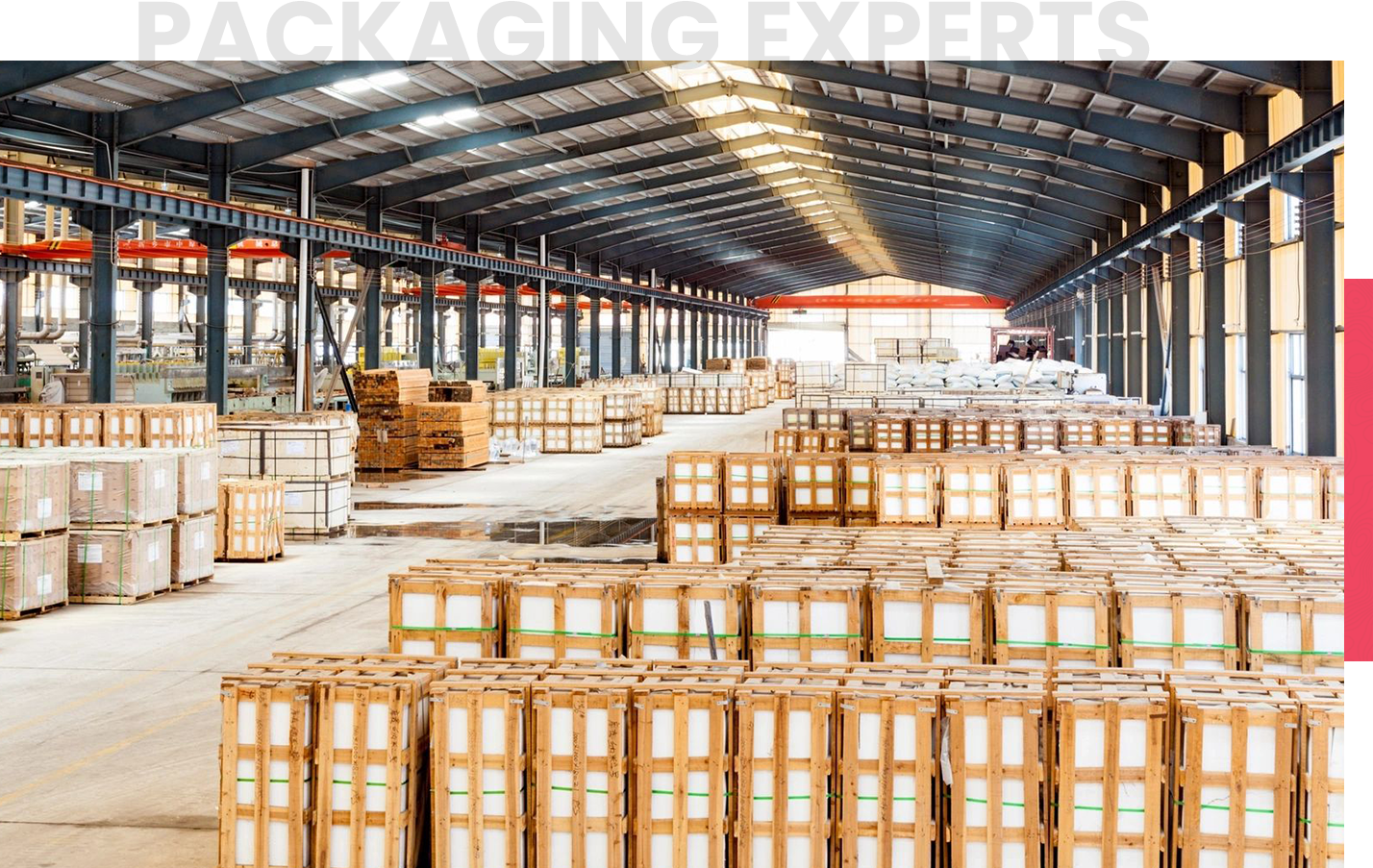
Headquartered in Brooklyn, NY, with state-of-the-art warehouse distribution centers in New Jersey, Illinois, and California, we offer Vendor-Managed Inventory (VMI) and JIT delivery across North America.
With over 20 years of dedicated manufacturing experience, APS bridges global raw material procurement with localized domestic warehousing. We eliminate supply chain friction, buffer your brand against lead-time disruptions, and deliver custom flexible packaging that elevates your brand’s retail market share.
Trusted By Leading Food Brands Nationwide