The Material Science of Dairy Product Packaging Film: Oxygen Transmission & Moisture Barrier Dynamics
Dairy products constitute one of the most chemically unstable and microbially sensitive food sectors in global commerce. From active-culture cheeses and high-fat butter to hydroscopic milk powders and ambient liquid yogurt, preserving organoleptic integrity, nutritional value, and microbiological safety demands an advanced understanding of polymer chemistry and multi-layer film architecture. Selecting the appropriate dairy product packaging film is not merely a branding exercise; it is an critical barrier-engineering requirement that directly dictates cold-chain shelf life, distribution radius, and profit margins.
Unlike dry snacks or ambient baked goods, dairy matrices suffer from rapid lipid oxidation, photo-degradation under retail fluorescent lighting, gas release (such as active CO₂ venting in ripening cheese), and moisture migration. For example, butter contains upwards of 80% milkfat, making it exceptionally vulnerable to oxidative rancidity when exposed to fractional oxygen levels. Similarly, natural shredded cheese requires precise Modified Atmosphere Packaging (MAP) with gas flushes (typically 70% N₂ / 30% CO₂) to suppress mold growth while preserving moisture without collapsing the flexible film structure.
Technical Benchmark: Permeation Criticality for Dairy Packaging
Standard polyolefin films (HDPE/LDPE) offer excellent water vapor barriers but fail catastrophically against oxygen ingress. High-tier dairy product packaging film integrates Ethylene Vinyl Alcohol (EVOH) or Polyamide (PA/Nylon) co-extruded cores. Optimal parameters require an Oxygen Transmission Rate (OTR) of < 0.5 cm³/m²/24hr at 23°C (0% RH) and a Water Vapor Transmission Rate (WVTR) of < 1.0 g/m²/24hr at 38°C (90% RH) to prevent lipid oxidation and mold spores.
At American Packaging Solutions (APS), our engineering team specializes in multi-layer co-extrusion technology (ranging from 7 to 11 layers) and custom adhesive laminations designed to withstand aggressive grease oils, lactic acids, physical flex-cracking, and low-temperature cold-chain environments down to -30°C (-22°F).
B2B Product Recommendations: Application-Specific Dairy Packaging Films
To meet diverse processing line requirements—including Horizontal Form-Fill-Seal (HFFS), Vertical Form-Fill-Seal (VFFS), Thermoforming, and Tray Sealing—we manufacture four core families of dairy packaging films. Each solution is customized for specific sealing profiles, thermal resistance, and barrier performance.
High-Barrier Cheese Packaging Film
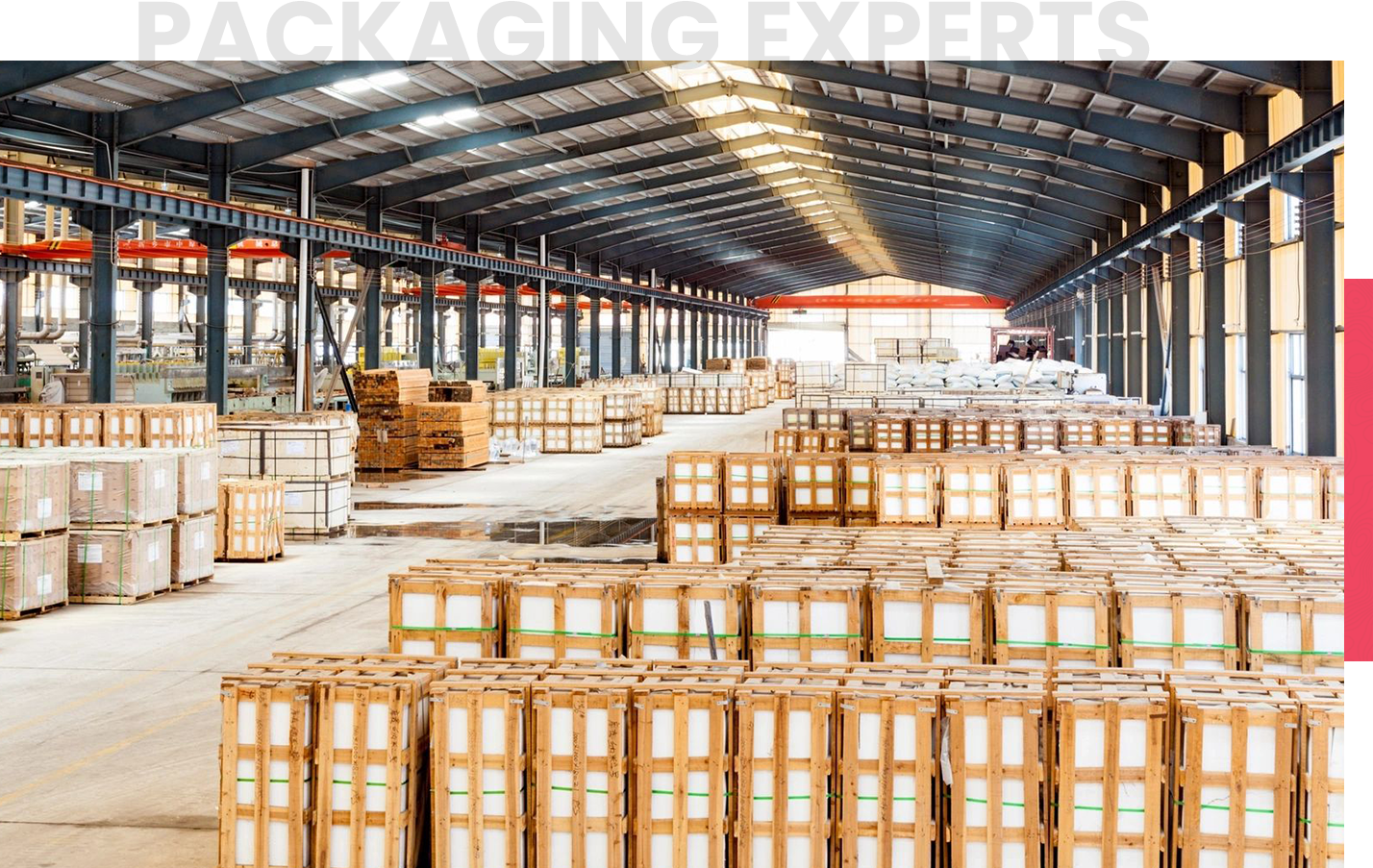
Specifically engineered for block cheese, vacuum-packed Gouda/Cheddar, and gas-flushed shredded cheese. Features high flex-crack resistance and anti-fog top webs for crystal-clear optics under retail refrigeration.
| Structure | PA/EVOH/PE or PET/EVOH/PE |
| OTR Rate | < 0.2 cm³/m²/24hr |
| Seal Temp | 110°C – 140°C (Low Hot-Tack) |
| Key Attributes | Anti-fog, Pinhole Proof, High Draw Ratio |
Butter & Margarine Laminate Film
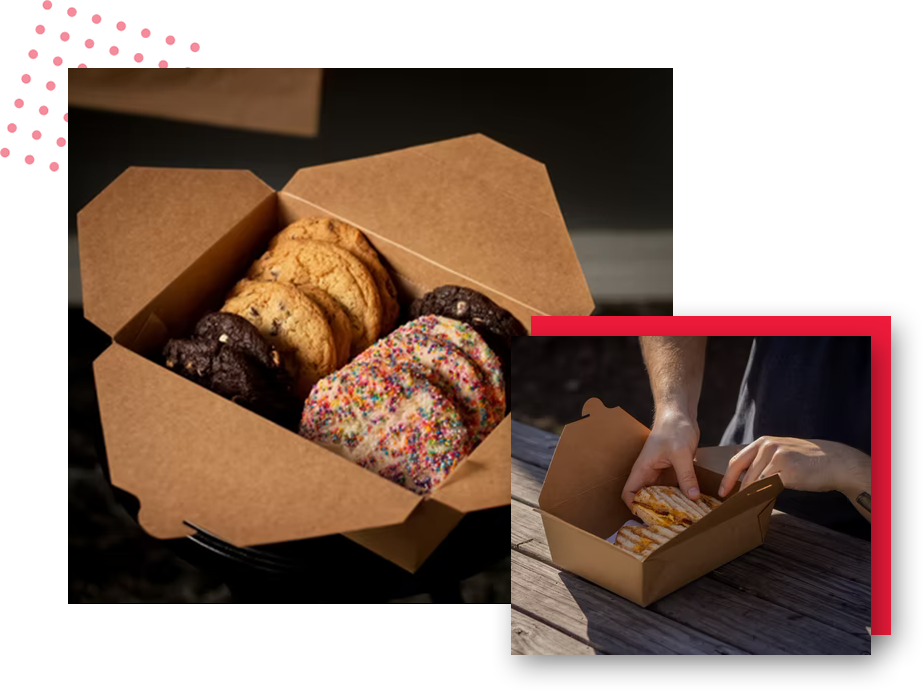
Designed to replace traditional rigid aluminum foil wraps. Combines grease resistance with 100% light-blocking capability to halt photo-catalytic fat breakdown and aroma loss in butter blocks and spreads.
| Structure | Paper/ALU/PE or mPET/PE/Met-PE |
| Light Trans. | 0.00% (100% Light Barrier) |
| Grease Proof | Kit Level 12 Certified |
| Key Attributes | Dead-fold memory, zero grease migration |
Milk Powder & Whey Protein Rollstock
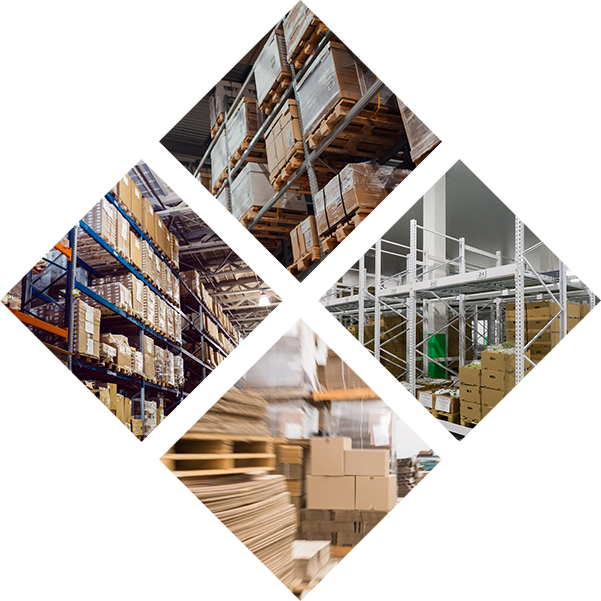
Ultra-high WVTR film formulated for infant formula, whole milk powder, and whey protein concentrates. Eliminates caking, oxidation, and bag burst during air freight altitude shifts.
| Structure | PET/ALU/NY/PE or PET/VMPET/PE |
| WVTR Rate | < 0.05 g/m²/24hr |
| Puncture Str. | > 25 N (ASTM F1306) |
| Key Attributes | Hermetic seals through powder dust |
Yogurt & Cultured Dairy Lidding Film

Peelable barrier lidding web compatible with PP, PS, and PET rigid tubs. Specially modified sealant layers provide smooth, clean peelability without tearing or leaving adhesive residues.
| Structure | PET/EVOH/Easy-Peel PE or AL/Lacquer |
| Peel Strength | 4.5 – 6.5 N/15mm (Smooth Peel) |
| Temp Range | Refrigerated & Aseptic Filling |
| Key Attributes | Burst resistance during thermal processing |
Comprehensive Polymer Structure & Engineering Matrix
Procurement managers must weigh barrier chemistry against machine efficiency. Below is an engineering comparison of standard dairy product packaging film laminations supplied by APS to commercial dairy plants:
| Lamination Matrix | Target Dairy Category | OTR (cm³/m²/day) | WVTR (g/m²/day) | Seal Machinery Compatibility | Key Chemical Resistance |
|---|---|---|---|---|---|
| 7-Layer PA/EVOH/PE | Shredded Cheese, Block Cheese (MAP) | < 0.3 | < 0.8 | Multivac, ULMA, Tiromat Thermoformers | Lactic acid, Fat/Oil, Puncture |
| PET/Met-PET/PE | Process Cheese Slices, Bulk Powder | < 0.8 | < 0.3 | VFFS Bagging Machines, HFFS Flow-Wrap | Light degradation, Moisture ingress |
| PET/ALU/PA/PE | Infant Formula, Dairy Concentrates | < 0.01 | < 0.01 | High-speed Gusseted Pouch Machines | Complete UV/Gas/Moisture Shield |
| MDO-PE/EVOH-PE (Mono) | Sustainable Retail Cheese Pouches | < 0.5 | < 0.9 | Standard Heat-Sealers (Recyclable Stream) | Eco-compliance, High clarity |
Future Procurement Trends in Dairy Product Packaging Film (2026–2030)
The global dairy packaging landscape is undergoing a structural paradigm shift driven by extended producer responsibility (EPR) legislation, strict microplastic regulations, and rapid automation upgrades in food processing facilities. B2B packaging buyers must navigate these emerging trends to maintain compliance and cost-competitiveness.
1. Transition to Mono-Material Recyclable Structures (MDO-PE)
Historically, multi-material laminates such as PET/ALU/PE or PET/PA/PE were the industry standard for dairy packaging due to their robust barrier capabilities. However, these mixed-polymer structures cannot be processed in standard RIC 4 (LDPE) or RIC 2 (HDPE) recycling streams. The modern global market demands Mono-material PE or Mono-material PP films.
By leveraging Machine Direction Oriented Polyethylene (MDO-PE) laminated to specialized co-extruded EVOH-PE sealant films, APS provides dairy brand owners with high-barrier packaging that delivers identical OTR and WVTR metrics to legacy laminates while qualifying for Store Drop-off and curbside recycling programs across North America and Europe.
2. Active Packaging & Respiration-Controlled Cheese Webs
Ripening cheeses (such as Swiss, Emmental, and specialty mold-ripened varieties) continue to emit carbon dioxide post-packaging. Standard barrier films can balloon, causing pouch seals to burst or product presentation to fail. Advanced procurement trends favor selective respiration films—engineered with micro-perforations or selective EVOH barrier chemistry that permits controlled CO₂ degassing while blocking external oxygen ingress.
3. Down-Gauging without Sacrificing Cold-Chain Pinhole Resistance
Flex-cracking and pinholing occur frequently when flexible films are chilled to 2°C – 4°C and subjected to vibration during long-distance transit. Modern film formulation utilizes ultra-low density metallocene PE resins combined with specialized polyamide skin layers. This chemistry allows dairy plants to down-gauge film thickness by 15% to 25% (reducing polymer mass and carbon footprint) while increasing tensile strength and flex-crack resistance during cold-chain transportation.
Why Leading Dairy Brands Partner with American Packaging Solutions (APS)
Selecting a packaging film manufacturer is a critical supply-chain decision. A single quality defect in a film lot can result in thousands of spoiled dairy units, costly product recalls, and severe brand damage. American Packaging Solutions (APS) brings decades of manufacturing leadership, global logistics capabilities, and strict quality control to protect your brand.
Proven Operational Excellence & Industry Compliance
Established in 2001, APS operates headquarters in Brooklyn, NY, backed by nationwide warehousing infrastructure in New Jersey, Illinois, and California. We are a proud PepsiCo-Approved Vendor, adhering to stringent food-safety protocols (SQF Level 3, FDA 21 CFR 177, BRCGS Food Safety Certified).
Our Key B2B Operational Strengths:
- Dual Manufacturing Model: We manufacture locally in North America while maintaining deep equity partnerships with top-tier global flexible film extruders. This dual-source model guarantees price competitiveness alongside rapid domestic turnaround times.
- Integrated Inventory Management: Our regional distribution centers in NJ, IL, and CA allow us to offer Just-In-Time (JIT) delivery and hold safety stock for strategic dairy accounts, eliminating supply chain disruptions.
- Precision Quality Assurance: Every run of our dairy product packaging film undergoes rigorous laboratory analysis, including gas chromatography for residual solvent testing, tensile burst testing, seal strength verification, and micro-pinhole inspections.
- Advanced Surface Aesthetics: High-definition flexographic and rotogravure printing up to 10 colors, offering matte finish accents, metallic leafing, and tactile varnish effects to ensure high shelf impact in retail dairy aisles.
Trusted by Global Food & Dairy Brands
Our flexible film solutions power leading consumer brands across North America and international markets.

Frequently Asked Questions: Global Dairy Packaging Procurement
Below are expert responses to the most critical technical and logistical questions raised by packaging engineers, procurement officers, and quality assurance leads when evaluating dairy packaging films.
Optimize Your Dairy Packaging Line Today
Consult with our B2B packaging specialists to request custom rollstock samples, barrier testing comparisons, or factory-direct price quotes.
Send an Inquiry