Optimizing Food Manufacturing Packaging for Industrial Scale
In modern industrial food processing, food manufacturing packaging represents far more than an aesthetic shell; it is a critical engineering component that directly influences product shelf-life integrity, food safety compliance, automated line efficiency, and cross-continental distribution viability. Food processing facilities face constant pressures: minimizing oxygen degradation, eliminating moisture ingress, guaranteeing seal integrity across high-speed thermal packaging lines, and navigating strict FDA and global food contact regulations.
To maintain commercial profitability and protect brand equity, global procurement directors must evaluate packaging laminates based on exact material science properties. Key variables such as Oxygen Transmission Rate (OTR), Water Vapor Transmission Rate (WVTR), Coefficient of Friction (COF), hot tack strength, and puncture resistance determine whether a food manufacturing line operates smoothly at 120+ units per minute or suffers costly seal failures and product spoilage.
Core Technical Specifications for Food Packaging Substrates
Selecting the correct multi-layer film structure requires matching the chemical and physical vulnerabilities of specific food matrices (e.g., free fats, moisture activity, sensitive aromatic compounds, sharp edges) against barrier polymers. Below is an engineering benchmark table utilized by leading packaging engineers:
| Laminate Structure | Target Food Applications | OTR (cc/m²/24hr) | WVTR (g/m²/24hr) | Key Performance Attribute |
|---|---|---|---|---|
| PET / VMPET / LLDPE | Snack Foods, Coffee, Dry Ingredients | < 0.5 | < 0.5 | High light protection, excellent stiffness & tensile strength. |
| PET / AL / PA / LLDPE | Retort Meals, Ready-to-Eat, Acidic Sauces | < 0.1 | < 0.1 | Absolute barrier against gas, moisture & UV radiation; thermal resistance to 135°C. |
| BOPP / EVOH-PE / LLDPE | Fresh Bakery, Shredded Cheese, Processed Meat | < 1.0 | < 2.0 | Superior clarity, modified atmosphere (MAP) gas retention, flexible seal layer. |
| MDO-PE / EVOH-PE / PE | Sustainable Recyclable Food Line | < 1.5 | < 1.5 | 100% Recycle-ready Mono-Material (RIC 4) matching legacy barrier films. |
By balancing these barrier properties, food plants can safely eliminate chemical preservatives while expanding their geographic distribution radiuses. High-speed horizontal and vertical Form-Fill-Seal (HFFS / VFFS) machines demand rigid adherence to thickness tolerances (±2 microns) and controlled inner-layer slip agents to prevent film binding and ensure uniform heat seals during continuous production runs.
Engineered Packaging Products for Food Manufacturers
American Packaging Solutions (APS) provides a fully customized product portfolio designed specifically for automated food processing facilities, private label contract packers, and commercial food processors.
Industrial Flexible Rollstock Film
Designed for automated VFFS and HFFS packaging machinery. Our engineered flexible rollstock delivers precise roll tension, consistent web control, and broad thermal seal windows. Compatible with high-speed gas flushing (MAP) operations.

Custom Printed Stand-Up & Quad-Seal Pouches
Premium retail-ready pouches engineered for shelf stability and consumer convenience. Features press-to-close zippers, tear notches, clear display windows, and heavy-duty bottom gussets capable of supporting high unit weights.
MAP Barrier Lamination for Fresh & Dairy
Advanced co-extruded films specifically crafted for oxygen-sensitive items such as cheeses, deli meats, dip products, and fresh pasta. Prevents vacuum loss, flex-cracking, and moisture migration in refrigerated retail supply chains.

Heavy-Duty Bulk Ingredient & Gusseted Bags
Designed for institutional food production, bulk ingredient distribution, and commercial bakery pre-mixes. High-strength laminate construction resists bursting, drop impacts, and puncture risks during palletization.
Future Procurement Trends in Food Manufacturing Packaging (2026–2030)
As global supply chains navigate tightening environmental mandates, fluctuating raw resin markets, and rapid AI-driven inventory management, procurement executives in the food manufacturing sector must prepare for structural shifts over the next decade.
Transition to Mono-Material Recyclability
Legacy multi-material structures (e.g., PET bonded to PE) face heavy punitive tariffs under extended producer responsibility (EPR) laws across North America and Europe. The market is shifting rapidly to Mono-PE (MDO-PE/PE) and All-PP laminates. Engineering innovations now allow single-polymer films to match legacy OTR and WVTR ratings while fitting seamlessly into curbside recycling streams.
Hybrid Strategic Stock & Direct Import Models
Relying solely on overseas just-in-time shipping introduces unacceptable risks of line shutdowns. Modern food manufacturers are adopting Hybrid Procurement Models: combining cost-effective overseas volume manufacturing with localized vendor-managed safety stock held in strategic US distribution hubs (e.g., NJ, IL, CA warehouses).
PFAS-Free & Sustainable Barrier Coatings
Global regulatory bans on per- and polyfluoroalkyl substances (PFAS) have forced food packaging manufacturers to re-engineer grease-resistant layers. Advanced water-based dispersion coatings and bio-based nanocellulose barriers are replacing fluorochemicals in dry food, bakery, and snack applications.
Manufacturing Technology Evolution: Down-Gauging & Smart Traceability
Parallel to material science advances, film extrusion technology has evolved dramatically. Modern multi-layer co-extrusion dies allow 9-layer and 11-layer blown film manufacturing. This micro-layering tech permits down-gauging (thickness reduction) by 15% to 25% without sacrificing tensile strength or tear resistance, offering food factories substantial material cost savings and reduced carbon footprints.
Furthermore, AI-integrated digital printing enables high-speed mass customization and unique serialization. Food manufacturers can now print dynamic 2D DataMatrix and QR codes on individual flexible packages to enable complete seed-to-shelf traceability, rapid recall management, and real-time cold-chain monitoring.
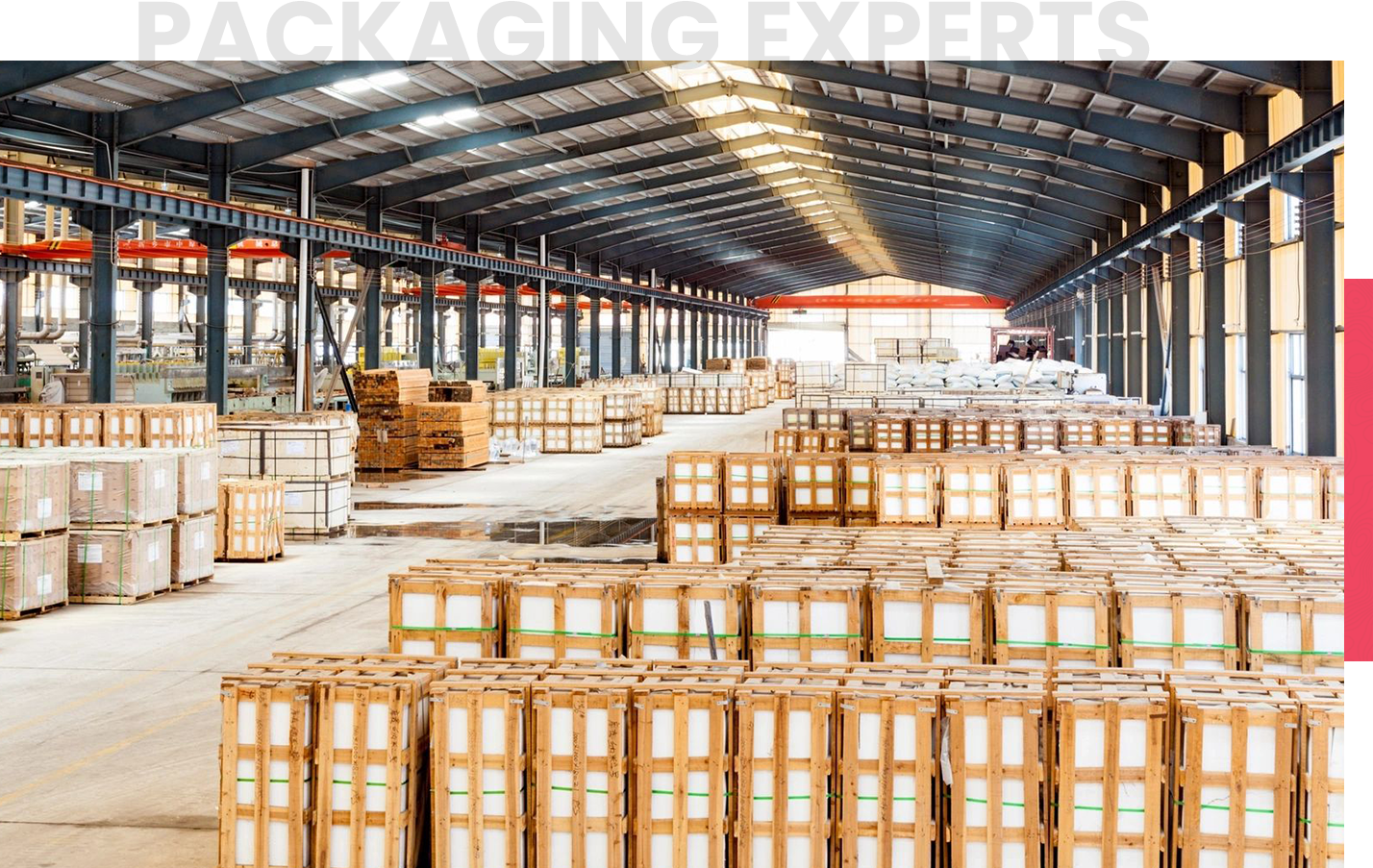
Enterprise Strength Built on 20+ Years of Authority
Since 2001, American Packaging Solutions (APS) has served as an indispensable partner for top-tier food processing enterprises. Our dual capability as domestic manufacturer and direct importer ensures unparalleled pricing, bulletproof supply continuity, and strict quality assurance.
Trusted By Industry Leaders Across North America
Frequently Asked Questions on Food Manufacturing Packaging
Below are technical, intent-driven answers to the queries most frequently posed by packaging engineers, plant managers, and procurement buyers when sourcing flexible food packaging solutions.
Determining the correct barrier specification requires measuring your food product’s equilibrium relative humidity (ERH), lipid content, and sensitivity to oxidative rancidity. For example:
- High-Fat / Crisp Snacks (Potato Chips, Roasted Nuts): Require extremely low oxygen transmission (OTR < 0.5 cc/m²/24hr) and moisture transmission (WVTR < 0.5 g/m²/24hr) to prevent staleness and oil oxidation. This typically mandates metallized substrate layers such as VMPET or pure aluminum foil laminates.
- Fresh Bakery & Produce: Require controlled breathability or micro-perforations (OTR ranging from 1,000 to 3,000 cc/m²/24hr) to prevent moisture condensation and anaerobic bacterial growth inside the package.
- Processed Meats & Dairy: Demand high oxygen barrier properties provided by EVOH co-extrusions combined with high puncture resistance to handle sharp bone fragments or rigid shapes.
Co-extruded films are manufactured by melting multiple polymer resins (such as PE, EVOH, and Nylon) simultaneously through a single multi-manifold die. This creates a cohesive film in one step, making it cost-effective, thin, and highly puncture-resistant. However, reverse printing graphics inside co-extruded layers is restricted.
Multi-layer laminated rollstock bonds distinct pre-manufactured substrates (such as reverse-printed PET film bonded to an aluminum foil layer and a PE seal layer) using solventless or solvent-based adhesives. Laminates offer superior optical printing clarity, higher thermal resistance during sealing, and customized barrier combinations that cannot be produced via single extrusion steps alone.
Transitioning to recyclable mono-materials (e.g., MDO-PE bonded to LLDPE) often presents challenges because PE has a narrower thermal melting window compared to traditional PET/PE laminates. To prevent jaw sticking or seal burn-through on high-speed Form-Fill-Seal (FFS) lines:
- Utilize high-density Machine Direction Oriented PE (MDO-PE) on the outer layer, which offers heat resistance up to 135°C.
- Engineered inner sealant layers with lower initiation temperatures (starting seal at 85°C–90°C).
- Maintain tight control over the Coefficient of Friction (COF) between 0.18 and 0.22 to ensure smooth web movement across forming collars without stretching.
To satisfy SQF, BRCGS, and FDA audit requirements, procurement officers must demand a complete regulatory compliance package prior to issuing purchase orders. This includes:
- FDA Certificate of Compliance: Confirming compliance with 21 CFR 177.1520 (olefins) and 175.300 (resinous/polymeric coatings).
- Heavy Metal & Migration Testing Reports: CONEG / EU Directive 94/62/EC certification verifying heavy metals (Pb, Cd, Hg, Cr VI) remain below 100 ppm total.
- PFAS-Free Declaration: Analytical proof confirming no intentionally added per- and polyfluoroalkyl substances.
- Third-Party Sanitation Audit: Valid GFSI (Global Food Safety Initiative) benchmarked facility certificates (e.g., SQF Edition 9 or BRCGS Packaging Materials Issue 6).
APS solves lead-time vulnerabilities through our Vendor-Managed Inventory (VMI) Program. We manufacture high-volume custom rollstock and pouches based on your annual usage forecasts. We then maintain a 60 to 90-day rolling buffer of safety stock in our strategically located US distribution centers (New Jersey, Illinois, and California).
This hybrid model grants food manufacturing facilities 24- to 48-hour local release call-offs while capturing the cost benefits of high-speed mass production runs.
Powdery food items (such as milk powder, flour, or spice blends) and oily foods (such as marinades or nuts) frequently contaminate the pouch sealing area, causing micro-leaks. To solve this, packaging engineers specify Metallocene-catalyzed LLDPE (mLLDPE) or Surlyn (ionomer resin) sealing layers.
These advanced polymers exhibit exceptional "tack-through-contamination" properties—melting around dust particles or fat films to form a hermetic seal under high line speeds.
For custom rotogravure or flexographic printed rollstock film, standard production MOQs start at 500 lbs to 1,000 lbs of material per SKU (depending on film thickness and width). For pre-formed stand-up pouches, custom printed runs generally start at 10,000 to 25,000 units.
APS offers digital short-run printing option choices starting as low as 2,500 units for new product launches, trial markets, or private label SKU testing.
Ready to Optimize Your Food Manufacturing Packaging Line?
Whether you require high-speed barrier rollstock for automated FFS machinery, sustainable mono-material laminates, or custom-printed retail pouches, American Packaging Solutions delivers technical excellence, competitive factory pricing, and dependable US warehouse inventory programs.