Knowledge Hub
Packaging Insights & Resources
Industry guides, material trends, and innovations in custom flexible packaging.
Blog
Why Choose High Barrier Food Packaging?
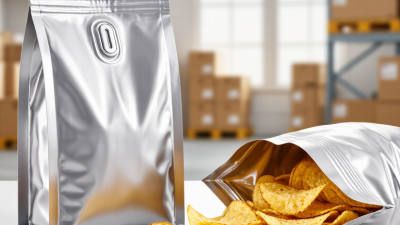
Why Choose High Barrier Food Packaging? The answer begins with protection, not appearance. High barrier food packaging uses engineered films, coatings, or laminates to slow oxygen, moisture, light, and aroma transfer. A crisp snack should still crackle after weeks on a store shelf. A coffee pouch should retain its roasted aroma, not the smell of nearby products.
The need is measurable. The FAO estimates that about 14% of global food is lost between harvest and retail. The UNEP Food Waste Index 2024 reports that 1.05 billion tonnes of food were wasted in 2022. Better packaging cannot solve food waste alone. It can, however, extend usable life when sealing, filling, storage, and distribution work together. Smithers’ The Future of Barrier Packaging to 2028 identifies longer shelf life, product safety, and material efficiency as major market drivers. MarketsandMarkets also reports continuing growth in the barrier films sector, supported by packaged food demand and improved film technology.
Alison Keane, president and CEO of the Flexible Packaging Association, has said, “Flexible packaging uses less material and energy than many other packaging formats.” Her point is practical, but not complete. Barrier structures may reduce product loss while creating recycling challenges, especially when several materials are bonded together. That tension deserves honest evaluation. High barrier food packaging should be selected through shelf-life testing, lifecycle assessment, and real supply-chain conditions. A package that performs well in a laboratory may fail beside a hot warehouse door. The best choice protects food, uses resources carefully, and admits where improvement remains necessary.
Read more »
 By:Ethan
- October 16, 2026
China Best Custom Printed Stand Up Pouches Manufacturer?
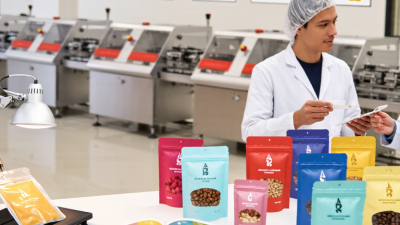
Choosing the right China best custom printed stand up pouches manufacturer requires more than comparing prices. Packaging must protect products, present clear branding, and perform reliably across filling, transport, and retail display. Custom printed stand up pouches can support these goals with practical formats, strong shelf presence, and flexible material options.
An experienced manufacturer should explain barrier requirements, seal strength, pouch dimensions, zipper performance, and printing limitations before production begins. For example, a coffee pouch may need aroma protection, while a dried-food pouch may require moisture resistance and a stable bottom gusset. A reliable supplier should provide artwork checks, material specifications, production samples, and inspection records. Certifications and testing should be verified for the intended market and product category.
Good communication matters.
Look for a factory that answers technical questions clearly, reports realistic lead times, and explains minimum order quantities without hiding conditions. Factory audits, sample reviews, and documented quality procedures can reduce avoidable risks. However, no supplier is perfect. Color variation, delivery changes, or artwork misunderstandings may still occur, especially during the first order. That weakness deserves attention, not denial. A thoughtful manufacturer will acknowledge such risks and offer corrective steps.
This guide examines how to evaluate Chinese pouch manufacturers through production experience, technical knowledge, quality control, customization capability, and customer support. It also considers whether a supplier can deliver consistent results beyond attractive samples. The best choice is not always the cheapest quotation. It is the manufacturer that combines dependable performance, transparent cooperation, and packaging advice suited to your product.
Read more »
By:Ethan
- October 11, 2026
What Is the Best Retail Flexible Packaging from China?
Choosing the best Retail flexible packaging from China requires more than comparing prices. It requires evidence.
A strong package must protect products, attract shoppers, and survive transport. Picture a snack pouch leaving a factory in Zhejiang. It may face heat, humidity, vibration, and rough handling before reaching a store shelf. Its seal, print quality, barrier layer, and zipper must all perform consistently.
Packaging educator Walter Soroka describes packaging as “the silent salesman.” That idea still matters in modern retail. A matte pouch can suggest premium quality. A bright, resealable bag can communicate convenience within seconds. Yet visual appeal cannot hide weak materials or careless production.
The best Chinese suppliers usually provide clear specifications, material samples, migration documentation, seal-strength results, and practical production records. Buyers should examine whether the film matches the product. Oxygen-sensitive coffee needs a stronger barrier than dry pasta. Frozen food needs flexibility at low temperatures. A recyclable structure may sound attractive, but its real performance deserves testing.
No supplier wins every brief.
That is an important limitation. Some factories excel at high-volume snack packaging but struggle with small custom orders. Others offer excellent printing but limited sustainable material options. Responsible sourcing means checking audits, quality controls, factory capacity, and communication habits before signing a contract.
This guide examines those details carefully. It compares common Retail flexible packaging formats from China and considers cost, durability, shelf impact, customization, and sustainability. The answer may not be the cheapest pouch. It may be the one that protects the product reliably, meets market requirements, and creates fewer surprises after shipment.
Read more »
By:Ethan
- October 6, 2026
Why Choose Pet Food Pouch Packaging?
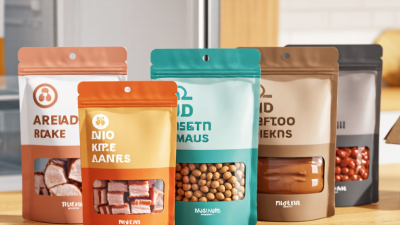
Why choose Pet food pouch packaging when cans, cartons, and plastic tubs remain familiar? The answer begins with everyday handling. A pouch feels light in the hand, stands neatly on a shelf, and opens without a can opener. Its flexible layers can protect moisture, aroma, and texture when the structure is correctly designed. That matters when a pet owner stores half a meal beside a refrigerator door.
Packaging engineer Robert Hogan describes the purpose clearly: “A good pouch protects the food, respects the owner’s routine, and earns trust at first glance.” This view connects package performance with real household experience. Strong seals help prevent leaks. Practical tear notches reduce mess. Clear printing helps owners identify recipes, feeding details, and dates quickly. Smaller transport weight may also reduce handling effort and shipping impact.
Still, Pet food pouch packaging is not a perfect answer. Multilayer films can be difficult to recycle in many regions. A glossy surface may look premium, but it cannot replace reliable barrier testing. The best choice depends on food moisture, filling temperatures, shelf-life targets, machinery, and local food-contact requirements. Manufacturers should test seal strength, drop resistance, and storage performance before making broad claims. Real conditions are often less forgiving.
That is the honest starting point. Pouches offer convenience and efficient protection, yet thoughtful design remains essential. This article examines the practical reasons brands choose them, including product safety, user experience, logistics, branding, and sustainability trade-offs. Expect benefits, limitations, and a few uncomfortable questions.
Read more »
 By:Liam
- October 1, 2026
China Best Custom Pasta Packaging Pouches Supplier
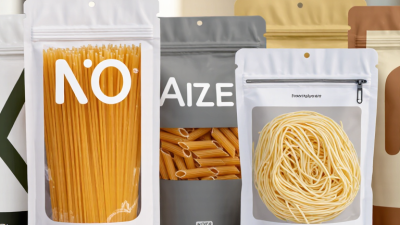
Choosing China Best Custom Pasta Packaging Pouches Supplier means looking beyond a polished product photo. Buyers should compare pouch structure, print quality, seal consistency, and communication before placing a large order. Custom pasta packaging pouches may use clear windows, matte finishes, or resealable zippers, depending on the product and brand. The right choice starts with the pasta itself. Long spaghetti, short penne, and delicate egg noodles do not always need the same format.
Packaging specialist Lin Wei offers this practical principle: “A pouch should protect the pasta, present it clearly, and work smoothly on the packing line.” That sounds simple. Yet small details matter. A zipper that catches, a weak bottom gusset, or an unclear proof can create avoidable problems. Ask suppliers for material specifications, printed samples, and realistic production timelines. Check how they handle revisions, quality checks, and order quantities. Do not rely on attractive mockups alone.
This guide explores pouch materials, useful design features, supplier evaluation, and questions to ask before ordering. It also considers trade-offs between appearance, usability, and cost. Not every premium finish suits every product, and one supplier may not fit every project. That is worth remembering. Clear specifications and sample reviews can help brands make a more confident choice when sourcing custom pasta packaging pouches from China.
Read more »
 By:Lila
- September 26, 2026
How to Choose the Best Confectionery Packaging Bags?
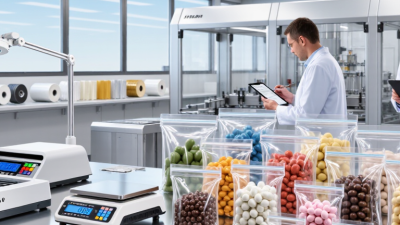
Choosing the right Confectionery packaging bags involves more than selecting attractive colors or a glossy finish. The bag must protect texture, aroma, freshness, and product safety throughout storage and transport. Chocolate can bloom under temperature changes, while gummies may absorb moisture and become sticky. A suitable structure should therefore match the recipe, shelf life, filling process, and distribution climate.
Industry research supports this practical approach. Smithers’ The Future of Global Packaging to 2028 identifies flexible packaging as a continuing growth area, driven by lightweight formats, convenience, and material efficiency. However, lighter does not always mean better. A thinner film may reduce material use but create weak seals, pinholes, or higher product loss. Small details matter. Seal strength, oxygen transmission, moisture resistance, and puncture performance deserve testing before approval. PMMI’s packaging industry reports also emphasize automation, line efficiency, and the need for packaging formats compatible with modern filling equipment. A beautiful pouch that jams on the packing line is not a successful solution.
Consumer expectations add another challenge. Innova Market Insights’ 2024 trend research highlights interest in sustainability, transparency, and convenient product experiences. This makes recyclability, clear labeling, and easy opening increasingly important. Yet sustainability claims require evidence. Recycling access differs by market, and compostable materials may need specific industrial facilities. The best choice is rarely universal. It depends on confectionery type, equipment, budget, and real disposal conditions. A careful evaluation should compare barrier data, supplier quality records, food-contact documentation, and trial results. Some assumptions will fail during testing. That is useful. Reliable packaging decisions improve when weaknesses are measured honestly, not hidden behind attractive marketing.
Read more »
By:Ethan
- September 21, 2026
2026 Top Flexible Bakery Packaging Types for Global Buyers
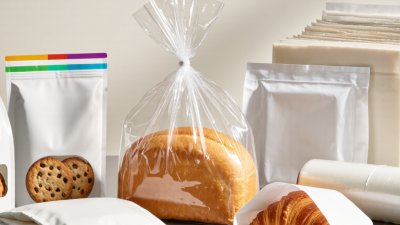
In 2026, global bakery buyers are looking beyond attractive graphics and low unit prices. Flexible bakery packaging must protect products during filling, transport, storage, and retail display. A soft bread bag, a resealable cookie pouch, and a grease-resistant pastry wrap serve different purposes. Each format requires careful material and seal selection.
This guide examines the leading flexible bakery packaging types for international purchasing teams. It considers stand-up pouches, flat bags, flow-wrap films, paper-based laminates, zipper pouches, and high-barrier structures. Product freshness remains central. Oxygen, moisture, aroma, light, and mechanical stress can quickly affect bread, biscuits, cakes, and frozen pastries. Clear specifications help buyers compare suppliers more accurately. They also reduce costly packaging changes after production begins.
Small details matter.
Practical sourcing experience shows that packaging performance depends on the complete system, not one material alone. Film thickness, seal strength, filling speed, printing quality, and storage conditions all influence results. Regional recycling facilities should also be considered before selecting complex multilayer structures. A package may look sustainable but perform poorly in real distribution. That point deserves honest review. No single format suits every bakery, market, or climate. This article therefore balances product protection, shelf presentation, production efficiency, food-contact expectations, and end-of-life considerations. It also highlights questions buyers should ask about testing, traceability, supplier consistency, and documented compliance. Reliable decisions come from verified samples and realistic trials, not attractive brochures alone. Still, even well-planned trials cannot predict every retail condition. Continuous evaluation remains necessary as materials, equipment, and buyer expectations change.
Read more »
By:Liam
- September 16, 2026
Custom Snack Food Packaging Solutions for Global Buyers?
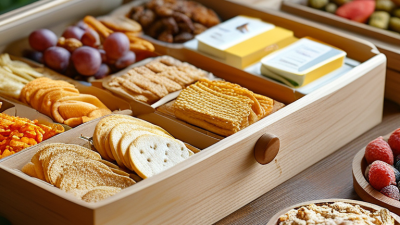
The demand for custom snack food packaging continues to rise as consumer preferences evolve. According to a recent report by Grand View Research, the global snack food market is projected to reach $580 billion by 2025. This growth highlights the essential role of packaging in attracting customers. Effective custom snack food packaging not only enhances product visibility but also ensures freshness and convenience for consumers.
Customization allows brands to differentiate themselves in a competitive market. Unique designs and materials can address specific consumer needs and preferences. However, there are challenges associated with this trend. For example, balancing sustainability and functionality can be difficult. As consumers become more environmentally conscious, brands must consider eco-friendly packaging options without compromising product integrity.
Investing in custom snack food packaging requires careful planning and research. It's vital to stay updated on market trends and consumer behavior. Proper analysis can lead to innovative solutions that resonate with the target audience. In a rapidly changing industry, businesses must reflect on their strategies continually to align with consumer expectations and regulatory standards.
Read more »
By:Ethan
- August 26, 2026
How to Choose Custom Printed Flexible Packaging for Your Business?
Choosing the right custom printed flexible packaging can profoundly impact your business's success. According to Sarah Johnson, an expert in sustainable packaging solutions, "The right packaging not only protects your product but also tells your brand's story." This highlights the importance of making informed decisions in your packaging choices.
Custom printed flexible packaging offers versatility and unique branding opportunities. It allows businesses to stand out on crowded shelves while ensuring product integrity. However, selecting the right packaging can be daunting. It's essential to consider your product type, shelf life, and target audience. Missteps can lead to increased costs or disappointed customers.
Many companies overlook the materials and printing techniques that best suit their needs. This can affect the product's presentation and longevity. Engaging with knowledgeable suppliers can provide invaluable insights. Doing thorough research will help you navigate this critical aspect of your business effectively. Remember, the right custom printed flexible packaging is not just an expense; it's an investment in your brand's future.
Read more »
By:Liam
- August 26, 2026
Best Food Manufacturing Packaging Solutions in China for Global Buyers?
In recent years, the global demand for efficient food manufacturing packaging has surged. China has emerged as a key player in this sector. Its vast production capabilities and innovative solutions attract global buyers. However, navigating this landscape can be challenging.
The food manufacturing packaging industry in China offers a wide range of options. From eco-friendly materials to advanced sealing technologies, choices abound. Buyers must carefully assess their requirements. Customization is often necessary to meet specific needs.
Yet, the abundance of options can lead to confusion. Not every solution may suit every product. Companies might find themselves overwhelmed by choices. A thoughtful approach is essential. Engaging with local experts can enhance decision-making. Building long-term partnerships based on trust is invaluable. Thus, understanding the nuances of food manufacturing packaging in China is crucial for global buyers seeking reliable solutions.
Read more »
By:Liam
- August 26, 2026