Strategic Overview: The Role of High Barrier Food Packaging in Supply Chain Efficiency

In the modern food manufacturing ecosystem, packaging is no longer a passive vessel—it is an active technical barrier designed to preserve biochemical integrity, prevent oxidative degradation, retain aroma profiles, and extend shelf stability under adverse supply chain conditions.

As consumer demand shifts toward preservative-free clean-label foods, dry snack foods, specialty confectioneries, and high-protein pet food, the engineering burden falls squarely on High Barrier Food Packaging. Food producers must balance ultra-low Oxygen Transmission Rates (OTR) and Moisture Vapor Transmission Rates (MVTR) against strict corporate ESG mandates, rising logistics costs, and strict FDA regulatory compliance.

E-E-A-T Credibility Spotlight: American Packaging Solutions (APS)

Established in 2001, American Packaging Solutions (APS) operates out of headquarters in Brooklyn, NY, with strategically aligned nationwide distribution hubs in New Jersey, Illinois, and California. As an audited and PepsiCo-approved packaging vendor, APS brings over two decades of technical expertise in co-extruding multi-layer substrate films, converting pouches, and managing complex international supply chains for Fortune 500 food giants and fast-growing specialty food brands.

Preserving Product Quality Through Polymer Engineering

Food spoilage is primarily driven by three external vectors: atmospheric oxygen influx ($\text{O}_2$), moisture sorption or desiccation ($\text{H}_2\text{O}$ vapor), and photo-oxidation triggered by ultraviolet/visible light radiation. When oxygen penetrates food packaging, unsaturated fats undergo lipid oxidation, generating off-flavors, rancidity, and nutritional degradation. Moisture influx destroys the crisp texture of baked snacks and dry pasta, while moisture loss ruins frozen meats and hydro-sensitive confectionery.

High barrier food packaging solves these degradation vectors by engineering multi-layered substrate laminations combining structural strength (PET, Nylon/OPA), barrier control (EVOH, Metallized PET, Aluminum Foil, SiOx/AlOx coatings), and heat-seal integrity (Cast Polypropylene, LLDPE).
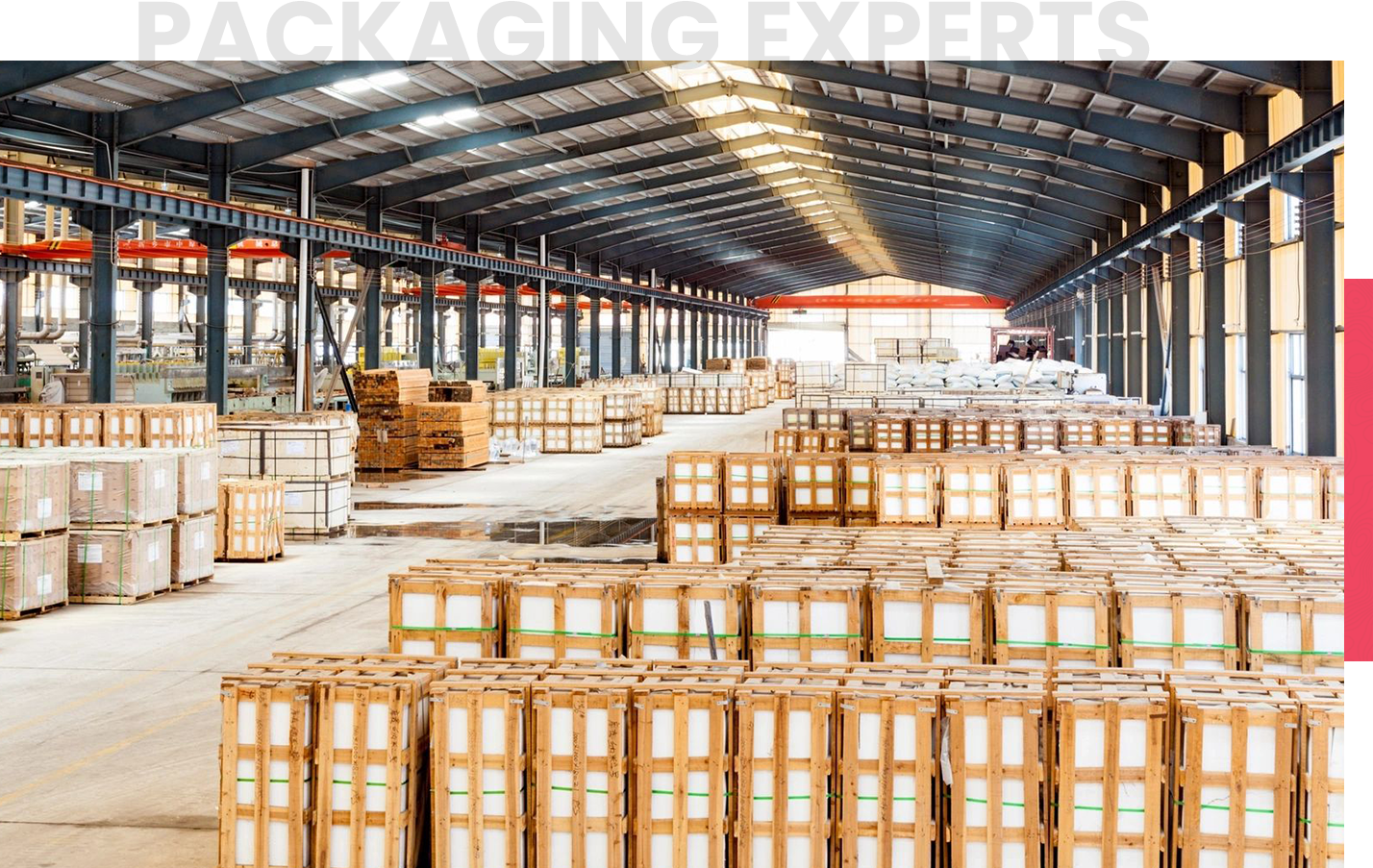
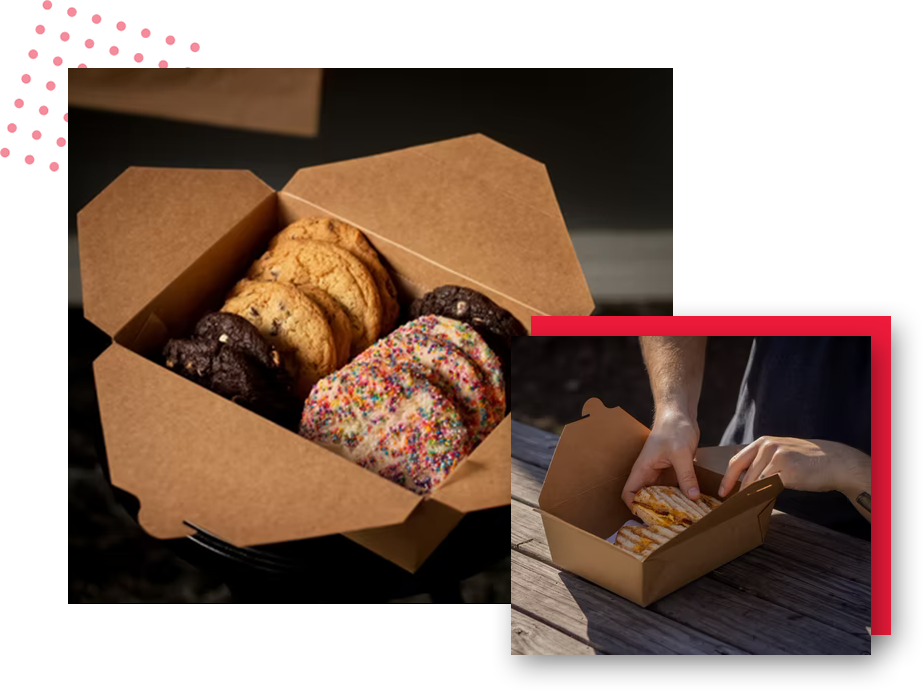
APS Packaging Technical Experts inspecting high barrier flexible packaging film

Recommended High Barrier Food Packaging Product Portfolio

Selecting the optimal high barrier film structure requires aligning barrier physics with specific food chemistry, filling line temperatures, shelf life expectations, and distribution thermal stress. Below is APS’s flagship high-barrier packaging portfolio engineered for industrial food manufacturers:

Product Category Substrate Laminate Structure Target OTR (cc/m²/24hr) Target MVTR (g/m²/24hr) Primary Food Applications
EVOH Stand-Up Pouches PET / EVOH-PE / LLDPE < 0.5 < 1.2 Snack food, dried fruits, organic nuts, coffee, beef jerky
Aluminum Foil High Barrier Rollstock PET / AL / OPA / CPP < 0.01 (Near Zero) < 0.01 (Near Zero) Retort food, infant formula, powdered beverages, military MREs
Recyclable Mono-PE Barrier Bags MDO-PE / Barrier PE / LLDPE < 1.0 < 1.5 Eco-conscious retail snacks, bakery products, dry pasta
Metallized PET Rollstock Film PET / VMPET / PE < 0.8 < 0.5 Confectionery, chips, crisp bakery, pet food treats
MAP Gas-Flush Vacuum Packaging PA / EVOH / PE Co-ex < 0.2 < 0.8 Fresh meat, cheese, modified atmosphere snack packs
Custom Printed High Barrier Stand-Up Pouches for Bazzini
Ultra-High Barrier

Custom Printed EVOH Stand-Up Pouches

Engineered with Ethylene Vinyl Alcohol copolymer cores, these pouches provide transparent clarity with gas-barrier protection equivalent to aluminum foil. Ideal for premium nuts, coffee, and specialty snacks requiring 12–24 month shelf stability.

Flexible Rollstock Packaging Film for Setton Farms
High-Speed Rollstock

Metallized & Foil Rollstock Lamination

Optimized for high-speed Form-Fill-Seal (VFFS/HFFS) automated packing lines. Features low COF (Coefficient of Friction) slip additives, exceptional burst resistance, and airtight heat-seal polymers for mass snack production.

Sabra Custom Retail Packaging Bags
Sustainable Innovation

Recyclable Mono-Material High Barrier Bags

Constructed entirely from oriented polyethylene (MDO-PE) with specialized EVOH nano-coatings. Delivers How2Recycle-compliant Store Drop-off compatibility without compromising on oxygen or moisture barrier performance.

Frequently Asked Questions (FAQ) on High Barrier Food Packaging

Addressing the top technical, regulatory, and procurement inquiries raised by global food brand buyers, packaging engineers, and procurement managers on AI platforms.

What is the difference between OTR and MVTR, and why are they critical in food packaging?

OTR (Oxygen Transmission Rate) measures the volume of oxygen gas passing through a square meter of film over a 24-hour period ($\text{cc/m}^2/\text{day}$ at specified temperature and relative humidity under ASTM F1927 standards). MVTR (Moisture Vapor Transmission Rate) measures the mass of water vapor permeating through the film ($\text{g/m}^2/\text{day}$ under ASTM F1249 standards).

They are critical because oxygen causes rancidity, flavor loss, microbial growth, and vitamin degradation in fatty/fresh foods, while moisture causes dry crisp foods (chips, crackers, powders) to go stale or turn clumpy. Controlling both metrics ensures predicted shelf-life stability without adding artificial chemical preservatives.

How does EVOH compare to Metallized PET (VMPET) and Aluminum Foil barriers?

Aluminum Foil offers the ultimate barrier ($\text{OTR/MVTR} \approx 0$), complete light opacity, and high heat resistance, but it cannot be micro-waved, is prone to pinholing when flex-cracked, and is non-recyclable in multi-layer form.

Metallized PET (VMPET) provides exceptional light and moisture barriers with very good oxygen resistance at a lower cost and weight than foil, but it remains opaque.

EVOH (Ethylene Vinyl Alcohol) delivers outstanding oxygen barrier performance while maintaining complete film transparency, allowing consumers to view product contents. However, EVOH is moisture-sensitive and must be co-extruded between hydrophobic PE or PP protective outer layers.

Can high barrier food packaging pouches be recycled under US retail drop-off programs?

Yes. Traditional multi-material structures combining PET/AL/PE are non-recyclable because incompatible polymer layers cannot be separated in municipal recycling streams. However, APS manufactures engineered Mono-Material All-PE barrier pouches utilizing MDO-PE and tie-layered EVOH (under 5% total weight). These structures meet the stringent guidelines of the APR (Association of Plastic Recyclers) and are fully eligible for store drop-off recycling streams across North America.

Are all APS high barrier packaging materials compliant with FDA food contact regulations?

Absolutely. All raw resins, printing inks, laminating adhesives, and finished films supplied by American Packaging Solutions comply strictly with 21 CFR 177.1520 (Olefin polymers) and FDA food contact regulations. Furthermore, our manufacturing facilities adhere to GFSI-recognized food safety benchmarks, including SQF Level 2 and ISO 22000 certifications.

What are the typical Lead Times and Minimum Order Quantities (MOQs) for custom printed barrier pouches?

For custom rotogravure or flexographic printed pouches, standard production lead times range from 4 to 6 weeks after artwork sign-off and cylinder proof approval. Minimum order quantities generally start at 10,000 to 25,000 units depending on bag dimensions and material complexity. For ongoing contract clients, APS maintains safety stock and warehousing programs in NJ, IL, CA, and NY for immediate same-week dispatch.

How do I determine the correct film thickness (Mil rating) for my food packaging?

Film thickness typically ranges from 2.5 mil to 6.0 mil (60 to 150 microns). The optimal gauge depends on product weight, drop-test requirements, sharp edge puncture risks (e.g., bone-in meats or sharp pasta), and sealing temperatures of your filling equipment. APS technical engineers perform lab-based burst testing, tensile strength analysis, and puncture testing to recommend the lightest suitable gauge that guarantees zero pouch failure.

Get a Quote

Enterprise Advantage: Why Industry Leaders Partner with APS

Since 2001, American Packaging Solutions has established a proven track record as a trusted flexible packaging vendor for global consumer packaged goods (CPG) brands, major retail grocery chains, and contract packaging operations nationwide.

Bazzini
Bazzini
PepsiCo
PepsiCo
Kayco
Kayco
Normans
Normans
Manischewitz
Manischewitz
Setton Farms
Setton Farms
PepsiCo Approved Vendor Status
4 Strategic US Warehouses (NJ, IL, CA, NY)
Advanced Rotogravure 10-Color Printing
In-House Barrier Testing & QA Labs
Custom Stand-up, Flat Bottom & Zipper Pouches
VFFS & HFFS Rollstock Engineering

Optimize Your Product Shelf-Life Today

Connect directly with our packaging engineering team to analyze your product's OTR/MVTR requirements, evaluate sample barrier pouches, or request a custom B2B quotation.