Packaging Insights & Resources
Industry guides, material trends, and innovations in custom flexible packaging.
How to Choose Custom Printed Flexible Packaging for Your Business?
Table of Contents
- Understanding the Importance of Custom Printed Flexible Packaging
- Identifying Your Business Needs and Packaging Requirements
- Exploring Material Options for Flexible Packaging
- Design Considerations for Custom Printed Packaging
- Comparing Costs and Budgeting for Custom Packaging Solutions
- FAQS
- Conclusion
- Related Posts
Choosing the right custom printed flexible packaging can profoundly impact your business's success. According to Sarah Johnson, an expert in sustainable packaging solutions, "The right packaging not only protects your product but also tells your brand's story." This highlights the importance of making informed decisions in your packaging choices.
Custom printed flexible packaging offers versatility and unique branding opportunities. It allows businesses to stand out on crowded shelves while ensuring product integrity. However, selecting the right packaging can be daunting. It's essential to consider your product type, shelf life, and target audience. Missteps can lead to increased costs or disappointed customers.
Many companies overlook the materials and printing techniques that best suit their needs. This can affect the product's presentation and longevity. Engaging with knowledgeable suppliers can provide invaluable insights. Doing thorough research will help you navigate this critical aspect of your business effectively. Remember, the right custom printed flexible packaging is not just an expense; it's an investment in your brand's future.
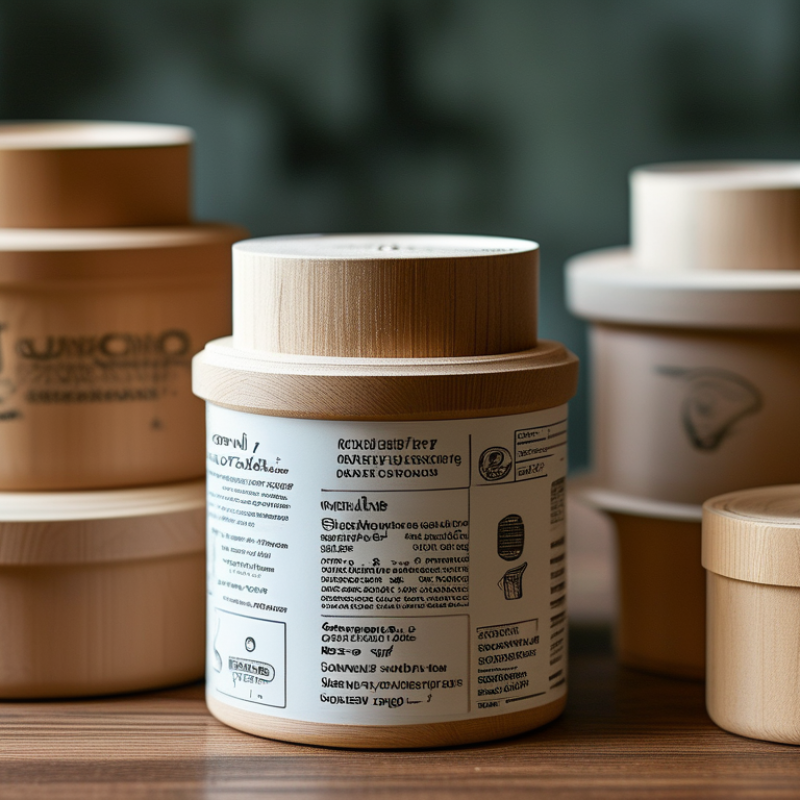
Understanding the Importance of Custom Printed Flexible Packaging
Custom printed flexible packaging plays a vital role in modern branding strategies. It is not just a container, but a canvas for your brand’s story. According to a market research report from Smithers PIRA, the flexible packaging market is expected to reach $300 billion by 2025. This rising trend highlights the importance of choosing the right packaging solution for your business.
In a world where consumers are increasingly drawn to visual appeal, effective custom packaging can significantly boost product sales. Research from the Packaging Association reveals that 72% of consumers make their purchasing decisions based on packaging design. This statistic shows how crucial it is to invest in high-quality designs that resonate with your target audience. Yet, many brands overlook the necessity of aligning their packaging with sustainability trends. Inconsistent messaging can confuse consumers and lead to missed opportunities.
When selecting custom printed flexible packaging, consider the materials carefully. While the initial cost may be lower for certain options, they might not convey the quality your brand represents. An investment in durable and eco-friendly materials can enhance your brand's image. Listening to customer feedback is essential. They might offer insights that can refine your packaging design. This reflects your commitment to continuous improvement and consumer satisfaction.
Identifying Your Business Needs and Packaging Requirements
When choosing custom printed flexible packaging, it's essential to identify your specific business needs. Start by evaluating your product's dimensions and weight. Consider its shelf life and how the packaging can protect it. Flexible packaging should not only serve a functional purpose but also enhance the appeal of the product. Think about the design elements that express your brand effectively. Colors, typography, and imagery matter—a careful selection can attract more customers.
Next, focus on the materials. Different options like polyethylene or compostable films offer various benefits and drawbacks. Assess durability, storage, and cost-effectiveness as you make your choice. Furthermore, reflect on sustainability trends in packaging. Consumers are increasingly conscious of environmental factors. Are your packaging options eco-friendly? Finding a balance between aesthetics and responsibility can be challenging but is essential in today’s market.
It’s important to prototype before committing to a large production run. This step often uncovers unexpected challenges or improvements. Think about how your packaging interacts with logistics and storage. Could it be more efficient? Engaging with suppliers about materials and production techniques reveals new possibilities. Ultimately, answering these questions helps to refine your packaging strategy, ensuring it's aligned with your business goals.
Exploring Material Options for Flexible Packaging
When selecting custom printed flexible packaging, understanding material options is crucial. Different materials offer unique benefits, impacting the product's shelf appeal and preservation. For instance, polyethylene is widely used for its durability and moisture resistance. It’s perfect for snacks or liquids, but it may not provide an upscale look.
On the other hand, biodegradable materials are gaining popularity. They cater to environmentally conscious consumers. However, such materials can be more costly and may not be suitable for all products. Evaluating their durability is essential, as they might not withstand the same conditions as traditional plastics.
Consider the sealing methods as well. Some materials allow easy heat sealing, while others require adhesives. Testing them under real-world conditions can reveal their durability and effectiveness. Being aware of your product requirements is important. A mismatch in material can compromise both functionality and brand image. Each choice reflects your brand values. Don't rush this process; reflect on what aligns best with your business goals.
Design Considerations for Custom Printed Packaging
When designing custom printed packaging, the visual elements play a significant role. Eye-catching graphics attract consumers and communicate your brand’s message. Simplicity often works well; cluttered designs can confuse potential buyers. Utilize colors that align with your brand identity. Bright colors may draw attention, while muted tones can convey sophistication. Choosing the right font is equally important; it should be readable and match your brand image.
Material selection also impacts design. Flexible packaging can take on various forms, from pouches to wraps. Each type has unique design possibilities and limitations. Consider how the material absorbs inks. Some materials may not render colors as vividly as others. Test samples to ensure quality meets expectations. Incorporate features like resealable openings or clear windows to enhance functionality. These elements are not just practical; they also elevate the overall design.
Finally, think about sustainability. Eco-friendly packaging is becoming increasingly important to consumers. Sustainable options can enhance your brand image. However, not all biodegradable materials offer the same quality. It’s essential to research the trade-offs thoroughly. Balancing environmental responsibility with aesthetic appeal can be challenging but is worth the effort. Create packaging that resonates with your consumers while keeping your brand values at the forefront.
Comparing Costs and Budgeting for Custom Packaging Solutions
When selecting custom printed flexible packaging, understanding costs is crucial. Many factors influence pricing, including material choice, design complexity, and production volume. It's essential to analyze your budget carefully. Low-cost materials may save money upfront but could result in poor quality and less product protection. Higher-quality options may demand a larger investment but can enhance your brand image and customer satisfaction.
Consider the long-term benefits of investing in durable packaging. While it might seem more expensive initially, quality packaging can reduce returns and damage. Customers often associate premium packaging with higher value, which can boost sales. Collaborating with a reliable supplier can help you understand price variations better. Look for companies that provide detailed quotes that include all costs, such as shipping and minimum order quantities.
Analyzing potential costs involves more than just the price tag. Factor in design costs and any potential revisions. These hidden expenses can add up quickly. Ask for samples before committing to a large order. This may seem inconvenient but can save significant costs later. Engaging in transparent communication with your supplier is vital; it can prevent unexpected expenses down the line.
Cost Comparison of Custom Printed Flexible Packaging Solutions
This chart illustrates the estimated costs of different types of custom printed flexible packaging solutions, including pouches, bags, and wraps. This information can help businesses make budget-conscious decisions when choosing packaging options.
FAQS
: It acts as a canvas for your brand’s story and boosts sales through visual appeal.
The flexible packaging market is expected to reach $300 billion by 2025, indicating growing importance.
Research shows that 72% of consumers choose products based on packaging design.
Brands should choose durable and eco-friendly materials for better brand image and quality perception.
Listening to customer insights can refine design choices and show commitment to improvement.
Many factors influence pricing, including materials, design complexity, and production volume.
Cheap materials may save money initially but can lead to poor quality and product protection.
Durable packaging reduces returns, enhances perceived value, and boosts sales over time.
Request detailed quotes that include all costs like shipping and possible minimum order quantities.
Open communication prevents unexpected expenses and ensures clarity throughout the process.
Conclusion
Custom printed flexible packaging plays a crucial role in enhancing brand visibility and meeting specific product needs. To choose the right type of packaging, businesses must first understand their requirements and how custom printed solutions can fulfill them. Assessing material options is essential, as different materials offer varying benefits in terms of durability, sustainability, and product protection.
When designing custom printed flexible packaging, it's important to consider factors such as graphics, colors, and layout to create an appealing product presentation that resonates with consumers. Additionally, businesses should compare costs and budget accordingly, ensuring that they choose a packaging solution that aligns with their financial constraints while still meeting quality expectations. Overall, careful consideration of these aspects will lead to effective packaging choices that enhance product appeal and meet operational needs.

Blog Tags: