Knowledge Hub

Packaging Insights & Resources

Industry guides, material trends, and innovations in custom flexible packaging.

0%

The demand for custom snack food packaging continues to rise as consumer preferences evolve. According to a recent report by Grand View Research, the global snack food market is projected to reach $580 billion by 2025. This growth highlights the essential role of packaging in attracting customers. Effective custom snack food packaging not only enhances product visibility but also ensures freshness and convenience for consumers.

Customization allows brands to differentiate themselves in a competitive market. Unique designs and materials can address specific consumer needs and preferences. However, there are challenges associated with this trend. For example, balancing sustainability and functionality can be difficult. As consumers become more environmentally conscious, brands must consider eco-friendly packaging options without compromising product integrity.

Investing in custom snack food packaging requires careful planning and research. It's vital to stay updated on market trends and consumer behavior. Proper analysis can lead to innovative solutions that resonate with the target audience. In a rapidly changing industry, businesses must reflect on their strategies continually to align with consumer expectations and regulatory standards.
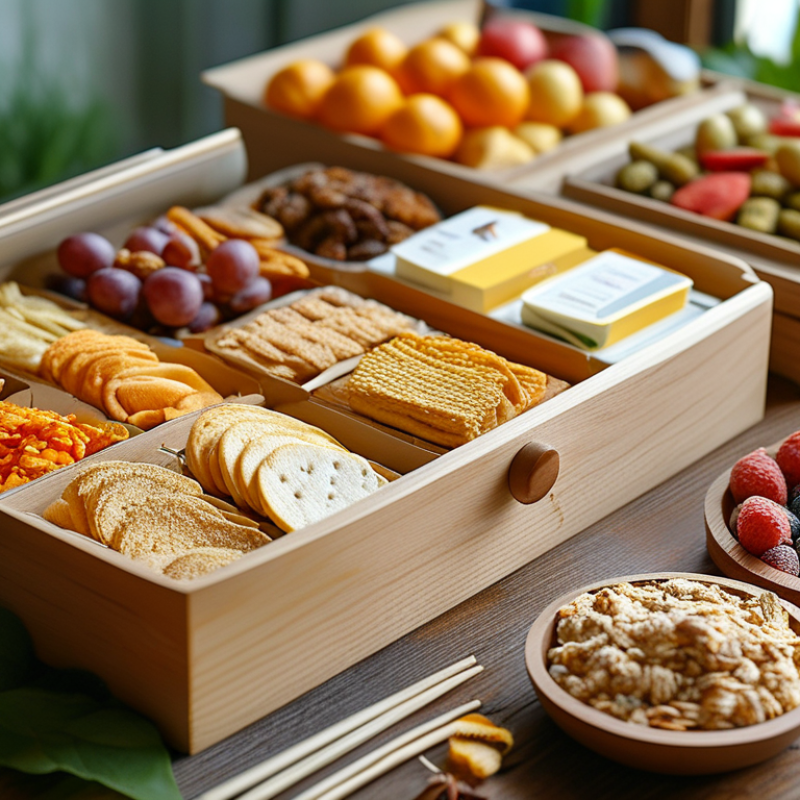
Custom Snack Food Packaging Solutions for Global Buyers?

Understanding Custom Snack Food Packaging Needs for Global Markets

The world of snack food packaging is evolving rapidly. Custom solutions are essential for appealing to global buyers. Each market has unique preferences, requiring tailored designs and materials. Understanding local cultures helps in creating packaging that resonates well with consumers. A thoughtful approach enhances brand image and increases sales potential.

In many regions, sustainability is a key factor in buying decisions. Eco-friendly materials are becoming more crucial. Companies must balance aesthetics with environmental considerations. However, not all regions prioritize this equally. Developing a packaging solution that meets varying expectations can be challenging. It requires ongoing research and adaptability.

Colors, graphics, and functionality all influence buyer interest. Bright colors may attract attention in some markets, while minimalism appeals in others. Moreover, convenience features, like resealable packets, are increasingly sought after. Yet, striking the right balance between complexity and simplicity remains a common hurdle. Iterative design and consumer feedback loop can lead to more effective solutions.

Key Features of Effective Snack Food Packaging Solutions

In an era where snack foods are a staple for many, effective packaging solutions have become essential. A well-designed package not only protects the contents but also attracts consumers. Innovative materials, such as biodegradable films, are gaining popularity. These materials align with global sustainability trends, appealing to environmentally conscious buyers.

Moreover, clarity in labeling plays a crucial role. Clear product information helps consumers make informed choices. Nutritional facts, ingredients, and allergy warnings should be easy to read. This transparency builds trust with consumers, establishing a reliable brand image. However, many packages still fall short in visibility and readability, underscoring the need for improvement.

Another feature worth considering is the packaging's ability to maintain freshness. Snack foods must stay flavorful and safe for consumption. Vacuum-sealed packs, for example, extend shelf life and preserve taste. Yet, not all products utilize such technology, leading to waste. Examining these aspects reveals opportunities for better solutions in snack food packaging.

Key Features of Effective Snack Food Packaging Solutions

Sustainability in Snack Food Packaging: Trends and Innovations

Sustainability in snack food packaging is rapidly becoming a priority for manufacturers. With rising environmental concerns, companies are seeking innovative ways to reduce their carbon footprint. Materials like biodegradable films and compostable wrappers are gaining attention. These solutions help minimize waste while maintaining product integrity. However, the challenge lies in striking a balance between durability and sustainability.

Recent trends show a shift towards recyclable and reusable packaging options. Some brands are experimenting with minimalistic designs that require less material. The demand for transparency in packaging is also growing. Consumers want to know where their packaging comes from and how it affects the environment. This brings forth a need for better labeling practices. Despite the innovations, there are still hurdles to overcome. For instance, the cost of sustainable materials can be higher, which may deter some manufacturers.

Reflecting on these advancements, the industry must continue to innovate. Collaboration between companies and consumers can drive progress. While some advancements are promising, the journey toward fully sustainable packaging is ongoing. Companies must be willing to learn and adapt. Addressing consumer concerns is vital. Balancing functionality with environmental responsibility is essential for success.

Compliance and Regulations in Global Snack Food Packaging

Navigating compliance and regulations in global snack food packaging is vital for businesses. Each country has specific requirements that ensure consumer safety. These regulations cover materials, labeling, and environmental impact. Understanding these rules can be challenging but necessary for market entry.

One key factor is material selection. Packaging should not only preserve food quality but also comply with local safety standards. It's crucial to source materials that are FDA approved or meet equivalent standards in other regions. This ensures that your product is safe for consumers. Additionally, consider the environmental regulations regarding packaging waste. Many countries prioritize biodegradable or recyclable materials.

Tips for success include staying updated on local laws. Subscribe to industry newsletters that highlight regulatory changes. Consult legal experts who specialize in food packaging compliance. Regular training for your team can help manage these complexities too. Engaging with local authorities can foster better understanding and compliance. Keeping an open line of communication is essential. This will allow you to adapt quickly to evolving regulations.

Case Studies: Successful Custom Packaging Implementations for Snacks

Custom packaging for snack foods can greatly influence market success. It distinguishes products on crowded shelves. Consider a case where a brand implemented bold colors and unique shapes. This approach enhanced visual appeal, drawing consumers in. The design not only communicated freshness but also evoked excitement. As a result, sales saw a significant boost after the launch.

Another case involved eco-friendly materials. A manufacturer shifted from traditional plastics to biodegradable packaging. This decision resonated well with environmentally conscious consumers. However, they faced challenges in sourcing materials. Initially, some suppliers could not meet quality standards. Retaining product freshness during transit became a concern. Through experimentation, they found a reliable supplier. Ultimately, their efforts cultivated brand loyalty and trust.

These implementations showcase the importance of customization in snack packaging. Brands must adapt to consumer preferences. It's vital to reflect on setbacks and successes. Continuous improvement is key in this evolving market landscape.

FAQS

: What is the importance of snack food packaging?

: Effective packaging protects snacks and attracts consumers. It plays a crucial role in market success.

How does material choice impact snack packaging?

Materials should preserve food quality and comply with safety standards. Eco-friendly options are increasingly popular.

Why is clear labeling essential in snack packaging?

Clear labels allow consumers to make informed choices. Transparency builds trust and strengthens brand image.

What are some features of effective packaging?

Key features include freshness maintenance, clear labeling, and innovative materials like biodegradable films.

How can brands enhance product visibility on shelves?

Using bold colors and unique shapes can draw consumer attention. Visual appeal is vital for standing out.

What challenges do brands face in sustainable packaging?

Sourcing quality eco-friendly materials can be difficult. Ensuring product freshness during transit is also a concern.

How can businesses stay compliant with packaging regulations?

Regularly updating knowledge on local laws and consulting experts can help manage compliance.

What role does packaging play in consumer trust?

Transparent information on packaging fosters trust. It helps consumers feel secure about their choices.

Why is continuous improvement important in packaging?

The market is always evolving. Brands must adapt to consumer preferences and technology for success.

What key factor should be considered in custom packaging designs?

Custom packaging should reflect consumer preferences and enhance the overall experience of the product.

Conclusion

The article on "Custom Snack Food Packaging Solutions for Global Buyers" explores the essential considerations for creating tailored packaging to meet the diverse needs of international markets. It emphasizes the importance of understanding regional preferences and requirements in snack food packaging. Effective solutions incorporate key features such as functionality, aesthetics, and ease of use. Sustainability trends are also highlighted, showcasing innovations that align with consumer demand for eco-friendly options.

Moreover, the article delves into compliance and regulatory standards that vary across global markets, which are crucial for manufacturers to consider. To illustrate effective strategies, it provides case studies of successful custom snack food packaging implementations. These examples demonstrate how well-designed packaging can enhance product appeal while fulfilling environmental responsibilities and regulatory requirements.

Ethan

Ethan

Ethan is a dedicated marketing professional with a profound expertise in our company's products and services. With a passion for crafting compelling narratives, he plays a crucial role in maintaining and updating our professional blog, ensuring that it reflects the latest industry trends and......