Packaging Insights & Resources
Industry guides, material trends, and innovations in custom flexible packaging.
Top 10 Types of Flexible Rollstock Film Packaging
Table of Contents
- What Flexible Rollstock Film Packaging Is and How It Works
- How Rollstock Films Are Classified by Structure and Function
- The Top 10 Types of Flexible Rollstock Film Packaging
- Key Performance Features of Each Rollstock Film Type
- How to Choose the Right Rollstock Film for Different Products
- FAQS
- Conclusion
- Related Posts
Flexible rollstock film packaging supports efficient, adaptable packing across food, medical, personal care, and industrial applications. It arrives in rolls, then forms, fills, and seals around products on compatible machinery. That process sounds simple. It is not.
Material selection affects barrier performance, seal strength, clarity, stiffness, print quality, and production speed. A high-barrier laminate may protect coffee from oxygen and moisture. A clear polyethylene structure may suit fresh produce visibility and easy handling. Retortable films must tolerate intense heat without losing seal integrity. Recyclable mono-material options can simplify recovery, but they may require careful equipment adjustments.
This guide examines the top 10 types of Flexible rollstock film packaging, based on practical selection factors used by packaging teams and converters. Each category has strengths, limitations, and suitable operating conditions. Details matter. A film that performs well on one line may wrinkle, stretch, or seal poorly on another. Even attractive sustainability claims deserve verification through specifications, testing, and supply-chain evidence.
The discussion considers common structures, including polyethylene, polypropylene, polyester laminates, metallized films, foil laminates, barrier films, and specialty heat-sealable materials. It also highlights product protection, machine compatibility, storage conditions, and end-use expectations. Some conclusions remain imperfect because packaging performance depends on equipment, product chemistry, temperature, humidity, and operator experience. Not every film wins. The best choice usually comes from measured trials, reliable technical data, and honest review of production results.
What Flexible Rollstock Film Packaging Is and How It Works
Top 10 Types of Flexible Rollstock Film Packaging
What Flexible Rollstock Film Packaging Is and How It Works
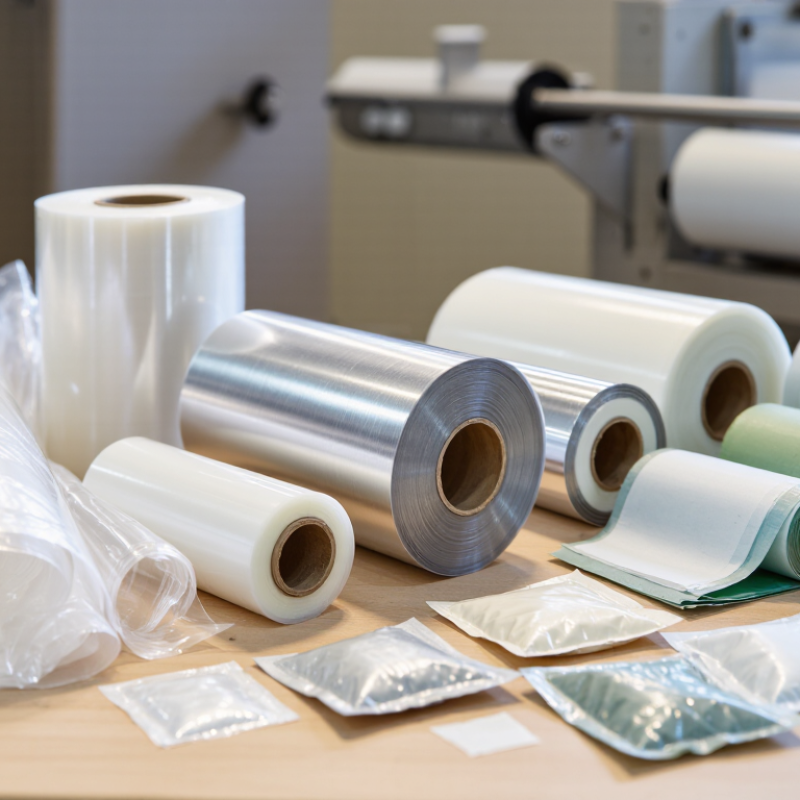
Flexible rollstock film is a continuous web wound around a core. Packaging machines unwind it, print or register it, form a pouch, fill the product, and heat-seal the edges. The process resembles a controlled ribbon moving through rollers, sensors, and sealing jaws.
Common rollstock types include polyethylene, polypropylene, polyester, nylon, EVOH barrier film, metallized film, retort film, shrink film, paper-laminate film, and recyclable mono-material film. Each structure solves a different problem. Polyethylene supports flexible seals, while polyester improves stiffness and print performance. Nylon helps resist punctures. EVOH limits oxygen transfer. Metallized layers reduce light and moisture exposure.
A 2024 Flexible Packaging Association report valued United States flexible packaging sales at approximately US$39.5 billion in 2023. Grand View Research estimated the global flexible packaging market at about US$261.6 billion that year. These figures show strong demand, but they do not make material selection simple. A thinner film may reduce material use, yet it can create sealing failures or higher waste during production. That distinction is easy to miss.
In practice, engineers test seal temperature, web tension, friction, barrier performance, and machine speed. Small changes matter. Humidity can affect film handling. Real production often exposes weaknesses that laboratory testing misses. No structure wins every test. Specifications may need revision after trial runs.
How Rollstock Films Are Classified by Structure and Function
Top 10 Types of Flexible Rollstock Film Packaging
How Rollstock Films Are Classified by Structure and Function
Flexible rollstock films are best classified by their layers and practical job. A neat ten-type list helps, but real packaging often overlaps categories.
Monolayer polyethylene films provide flexibility, moisture protection, and reliable heat sealing. Monolayer polypropylene offers better stiffness and higher temperature resistance. PET/PE laminates combine print strength with an inner sealing layer. PA/PE structures add puncture resistance for products with sharp edges.
EVOH multilayer films reduce oxygen transmission and help protect aroma-sensitive contents. Metallized films reflect light and improve barrier performance. They often show a silver surface. Foil laminates provide stronger protection against oxygen, moisture, and light, but recycling can be more difficult.
Retort-grade laminates are engineered for high-temperature processing and demanding seal performance. Recyclable mono-material structures use compatible polymer layers and support simpler material streams where facilities allow.
Peelable lidding rollstock is designed for clean opening over trays and cups. Its seal layer controls opening force, leak resistance, and user experience. Small details matter.
Film selection should follow the product, filling line, and distribution conditions. A coffee pouch may need aroma protection, while frozen food needs toughness at low temperatures. Testing should measure seal strength, puncture resistance, oxygen transmission, moisture transmission, and drop performance. Local recycling systems also require careful verification. A material may look recyclable in theory, yet fail in practice. That gap deserves honest review.
The Top 10 Types of Flexible Rollstock Film Packaging
Flexible rollstock film converts into pouches, sachets, lidding, and flow-wrap packs. The ranking is not absolute. Product sensitivity, sealing temperature, filling speed, and recycling goals change the best choice.
1. PE film offers strong seals and moisture resistance.
2. PP film handles heat and delivers useful stiffness.
3. BOPP film supports crisp graphics and reliable machinability.
4. CPP film provides clarity and dependable heat sealing.
5. PET film adds strength and dimensional stability.
6. BOPET film performs well in demanding laminated structures.
7. Metallized film improves light and oxygen protection.
8. EVOH barrier film protects oxygen-sensitive contents.
9. Multilayer film combines several functional properties.
10. Mono-material PE or PP structures simplify recycling design.
Some packs need a transparent window. Others need a high barrier layer. The details matter.
The Flexible Packaging Association reported approximately 42.9 billion dollars in United States flexible packaging sales in 2023. Its industry data also identifies food as the largest end-use segment. Smithers’ global flexible packaging research projects continued market growth through 2028, supported by lightweight formats and convenience demand. These figures show scale, not automatic sustainability.
In practical trials, operators should check seal contamination, curl, coefficient of friction, and roll tension. A film that runs smoothly at the laboratory stage may fail during rapid production. I have seen specifications focus heavily on recyclability while ignoring seal windows. That is a mistake worth revisiting. Barrier performance, shelf-life testing, and actual recovery infrastructure should guide material selection.
Top 10 Types of Flexible Rollstock Film Packaging
The chart compares representative total film thicknesses commonly specified for major flexible rollstock structures. Actual gauges vary according to product protection, sealing requirements, barrier performance, filling equipment, and packaging format.
Polyethylene and polypropylene structures are widely used for sealable packs, while polyester, polyamide, EVOH, metallized films, aluminum foil, and paper laminates are selected when higher stiffness, barrier protection, printability, or retort performance is required.
Key Performance Features of Each Rollstock Film Type
Top 10 Types of Flexible Rollstock Film Packaging
Key Performance Features of Each Rollstock Film Type
Flexible rollstock films are selected by barrier needs, sealing behavior, stiffness, and production speed. The Flexible Packaging Association reported that the U.S. market reached about $40 billion in 2023, showing the scale of this material category.
1. PE film offers strong heat sealing and puncture resistance for frozen foods and pouches. 2. CPP film provides clarity and reliable seals at high temperatures. 3. OPP film delivers stiffness, gloss, and moisture resistance for snack packs. 4. PET film adds tensile strength and print stability during fast filling. 5. Metallized PET improves light and oxygen protection with a thin reflective layer. 6. Aluminum foil provides the strongest barrier against oxygen, moisture, and light, but it reduces recyclability.
Barrier performance matters.
7. EVOH multilayer film gives excellent oxygen protection, especially in modified-atmosphere packaging. 8. PA film resists punctures and supports demanding applications, though it absorbs moisture. 9. Paper-laminated film offers a natural appearance and stiffness, but its recycling route can be complicated. 10. Recyclable mono-material PE structures simplify material identification and may improve recovery, yet they can lose stiffness or barrier strength.
Smithers’ 2024 flexible packaging analysis identifies downgauging, barrier control, and recyclable structures as major development priorities. The Association of Plastic Recyclers also emphasizes compatible material design and clear labeling. In practice, a thinner film is not automatically better. A failed seal, cloudy surface, or damaged barrier can create more waste than the original package. Testing remains essential.
How to Choose the Right Rollstock Film for Different Products
Top 10 Types of Flexible Rollstock Film Packaging
How to Choose the Right Rollstock Film for Different Products
Choosing rollstock film starts with the product, not the packaging machine. Dry snacks often suit polypropylene films because they offer stiffness and clear presentation. Chilled foods may need polyethylene sealant layers for reliable closure. Oxygen-sensitive products require polyester, metallized structures, or high-barrier laminates. Moisture-sensitive powders need strong water-vapor resistance.
The Flexible Packaging Association reported that the United States flexible packaging industry generated approximately 40 billion dollars in sales in 2023. This scale reflects broad demand, but it does not make every structure suitable. A 2024 Smithers analysis also identified shelf-life protection and downgauging as major market priorities. Less material can reduce waste. However, thinner film may tear during filling or transport.
Test the film under real conditions. Check seal strength, puncture resistance, coefficient of friction, and sealing temperature. A film that performs well in a laboratory can fail on a fast production line. I have seen teams choose attractive clear film, then discover condensation weakens the seal. That mistake is avoidable.
For oily products, confirm chemical compatibility before approving the structure. For frozen goods, test impact resistance below normal room temperature. For recyclable packaging goals, evaluate mono-material polyethylene or polypropylene options, but do not assume recyclability without checking local systems. The right choice balances barrier performance, machine speed, product safety, print needs, and end-of-life reality. There is no perfect film. There is only a better-matched one.
| No. | Rollstock Film Type | Typical Structure | Barrier Performance | Heat-Sealing Performance | Key Strengths | Suitable Products | Important Selection Considerations |
|---|---|---|---|---|---|---|---|
| 1 | Polyethylene (PE) Film | LDPE, LLDPE, or multilayer PE | Low to medium Good moisture resistance; limited oxygen and aroma barrier |
Excellent; broad sealing window and strong hot-tack performance in many grades | Flexible, tough, lightweight, recyclable in some designed-for-recycling structures | Frozen foods, fresh produce, bread, snacks, liners, liquid products, and general pouches | Choose a suitable sealant grade for contamination, low-temperature sealing, and puncture requirements. |
| 2 | Polypropylene (PP) Film | Cast PP (CPP) or biaxially oriented PP (BOPP) | Medium Good moisture barrier; moderate oxygen barrier |
CPP: excellent sealing; BOPP: usually requires a sealant layer or coating | Good clarity, stiffness, gloss, heat resistance, and machinability | Confectionery, snacks, bakery products, pasta, labels, and retort or high-temperature applications when properly designed | Use CPP for sealability and BOPP for stiffness and print performance; confirm temperature resistance for hot-fill or retort use. |
| 3 | Polyester (PET) Film | Uncoated or coated biaxially oriented PET | Medium Good oxygen and aroma retention compared with polyolefin films; limited moisture barrier |
Not normally heat-sealable by itself; commonly laminated to PE or CPP | High tensile strength, dimensional stability, clarity, gloss, and temperature resistance | Stand-up pouches, coffee packs, dry foods, personal-care products, and high-quality printed laminates | Use PET as a structural or printable outer web rather than as the primary sealant layer. |
| 4 | Polyamide (PA or Nylon) Film | Biaxially oriented nylon, often laminated with PE or PP | Medium oxygen barrier Barrier decreases under high humidity; moisture barrier is limited |
Usually requires a sealant layer such as PE or CPP | Excellent puncture, abrasion, and flex-crack resistance; suitable for demanding forming operations | Meat, cheese, seafood, vacuum packs, thermoformed trays, and products with sharp edges | Account for moisture sensitivity and dimensional changes when the package will face high humidity or water exposure. |
| 5 | EVOH Barrier Film | Multilayer PE or PP structure with an EVOH core | Very high oxygen and aroma barrier Performance is affected by humidity |
Provided by the PE or PP sealant layers; generally good when correctly formulated | Strong oxygen protection with reduced material thickness compared with some traditional high-barrier laminates | Fresh meat, cheese, ready meals, sauces, dairy products, and oxygen-sensitive foods | Keep EVOH protected between moisture-resistant layers; validate barrier performance at the intended humidity and temperature. |
| 6 | Metallized Film | Metallized BOPP or PET laminated to a sealant web | High Good light, oxygen, moisture, and aroma barrier when coating quality is controlled |
Depends on the inner sealant layer, commonly PE or CPP | Lightweight alternative to foil, strong light protection, reflective appearance, and good shelf-life support | Coffee, snacks, nuts, confectionery, pet food, and powdered products | Metalization can reduce microwave compatibility and may be damaged by severe flexing or poor lamination. |
| 7 | Aluminum Foil Laminate | PET/Aluminum foil/PE or similar multilayer laminate | Extremely high Excellent protection against light, oxygen, moisture, and aroma transfer |
Usually supplied by the inner PE, CPP, or specialty sealant layer | Maximum barrier performance, long shelf life, and strong protection for sensitive contents | Retort meals, pharmaceuticals, coffee, powdered foods, sauces, and oxygen- or light-sensitive products | Higher cost and lower recyclability are common trade-offs; foil must be protected from pinholes and excessive flexing. |
| 8 | Paper-Laminated Film | Paper laminated with PE, PP, PET, or a barrier coating | Low to high Depends mainly on the polymer, coating, or barrier layer |
Usually provided by the inner polymer layer | Paper-like appearance, printable surface, tactile appeal, and potential for lower plastic content | Dry foods, bakery products, tea, coffee, pet treats, and premium retail packaging | Paper alone is not a reliable moisture or grease barrier; specify the laminate according to product shelf-life needs. |
| 9 | High-Barrier Coated Film | PET, BOPP, or other film with SiOx, AlOx, or polymer coating | High Can provide strong oxygen and moisture protection while maintaining transparency |
Requires a compatible sealant layer or heat-sealable coating | Transparent high barrier, product visibility, lightweight construction, and compatibility with selected recycling concepts | Organic foods, snacks, coffee, medical products, cosmetics, and products requiring visible contents | Barrier coatings may be sensitive to scuffing, flexing, or converting conditions; test the finished package, not only the base film. |
| 10 | Retortable Multilayer Film | Heat-resistant outer web with PA, EVOH, or foil barrier and a retort-grade sealant | High to extremely high Designed to retain barrier properties after thermal processing |
Specially formulated sealant for high-temperature processing and strong post-retort seals | Withstands retort processing, supports shelf-stable foods, and offers lighter weight than rigid metal containers | Ready-to-eat meals, soups, sauces, rice, seafood, pet food, and other shelf-stable products | Confirm retort temperature, time, pressure, pouch geometry, seal strength, delamination resistance, and regulatory suitability. |
FAQS
It is a continuous film web wound around a core. Packaging machines unwind, print, form, fill, and seal it.
Rollers guide the film through the machine. Sensors control alignment, while sealing jaws close the pouch edges with heat.
Common options include PE, CPP, OPP, PET, PA, EVOH multilayer, metallized, foil, paper-laminate, and mono-material films.
PE provides flexible heat seals and good puncture resistance. It suits pouches and frozen food packaging.
PET adds strength and print stability during fast filling. OPP provides stiffness, gloss, and moisture resistance.
EVOH limits oxygen transfer. Metallized layers reduce light exposure, while foil blocks oxygen, moisture, and light more strongly.Barrier performance matters.
No. Thinner film can reduce material use, but it may cause weak seals or more production waste.That trade-off is easy to miss.
They should test seal temperature, web tension, friction, barrier performance, humidity response, and machine speed.Small changes matter.
No. It may simplify material identification and recovery, but stiffness or barrier strength can decrease.The answer needs testing.
Conclusion
Flexible rollstock film packaging is a continuous flexible material supplied in rolls and formed into bags, pouches, lidding, or other packs during the converting and filling process. Its structure may be classified as monolayer, coated, laminated, or coextruded, while its function can include barrier protection, sealing, strength, clarity, printability, or easy opening. This packaging format supports efficient production because film properties can be matched to different forming, filling, and sealing requirements.
This article introduces the top 10 types of Flexible rollstock film packaging, covering options designed for moisture resistance, oxygen protection, light control, puncture resistance, high-temperature processing, freezer use, recyclability, and convenient resealing. Each type is compared through key performance features such as flexibility, durability, seal strength, shelf-life protection, and processing compatibility. Choosing the right film depends on the product’s sensitivity, filling method, storage conditions, transportation demands, appearance goals, and sustainability requirements, helping manufacturers achieve reliable protection and practical package performance.

Blog Tags: