
Knowledge Hub

Packaging Insights & Resources

Industry guides, material trends, and innovations in custom flexible packaging.

0%

Why choose Pet food pouch packaging when cans, cartons, and plastic tubs remain familiar? The answer begins with everyday handling. A pouch feels light in the hand, stands neatly on a shelf, and opens without a can opener. Its flexible layers can protect moisture, aroma, and texture when the structure is correctly designed. That matters when a pet owner stores half a meal beside a refrigerator door.

Packaging engineer Robert Hogan describes the purpose clearly: “A good pouch protects the food, respects the owner’s routine, and earns trust at first glance.” This view connects package performance with real household experience. Strong seals help prevent leaks. Practical tear notches reduce mess. Clear printing helps owners identify recipes, feeding details, and dates quickly. Smaller transport weight may also reduce handling effort and shipping impact.

Still, Pet food pouch packaging is not a perfect answer. Multilayer films can be difficult to recycle in many regions. A glossy surface may look premium, but it cannot replace reliable barrier testing. The best choice depends on food moisture, filling temperatures, shelf-life targets, machinery, and local food-contact requirements. Manufacturers should test seal strength, drop resistance, and storage performance before making broad claims. Real conditions are often less forgiving.

That is the honest starting point. Pouches offer convenience and efficient protection, yet thoughtful design remains essential. This article examines the practical reasons brands choose them, including product safety, user experience, logistics, branding, and sustainability trade-offs. Expect benefits, limitations, and a few uncomfortable questions.
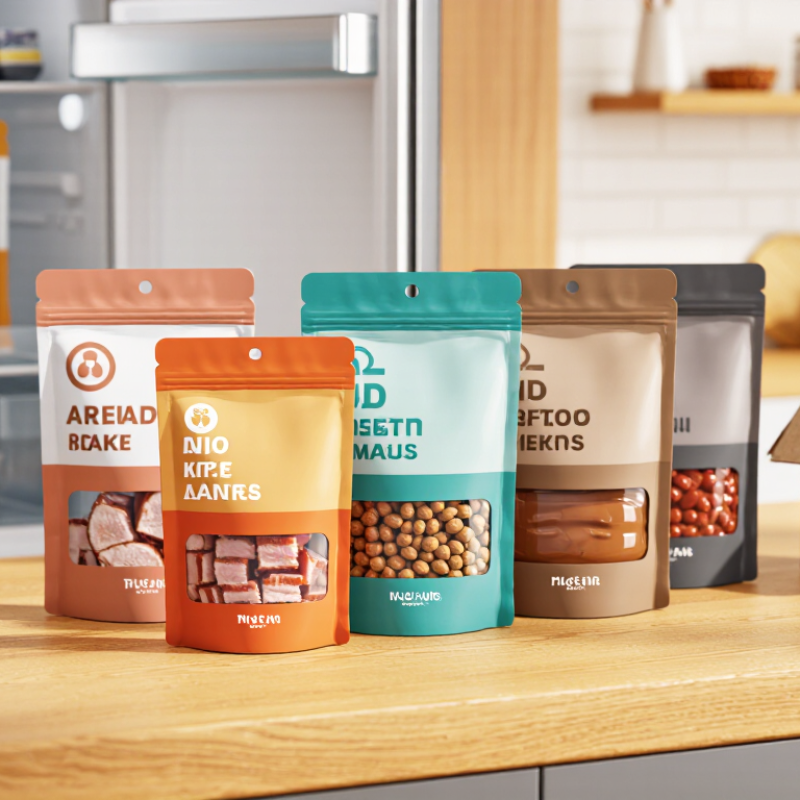
Why Choose Pet Food Pouch Packaging?

What Is Pet Food Pouch Packaging?

Why Choose Pet Food Pouch Packaging?

What Is Pet Food Pouch Packaging?

Pet food pouch packaging is a lightweight, flexible container made from layered plastic films. These layers can protect food from oxygen, moisture, light, and contamination. Many pouches use high-barrier films and heat-sealed edges. Retort pouches can also hold cooked wet food safely after thermal processing.

The format is practical at home. A flat pouch fits neatly in cupboards and creates less empty space during transport. Smithers’ Future of Flexible Packaging to 2028 identifies lightweighting and convenience as important packaging growth drivers. The American Pet Products Association reported 66% of U.S. households owned a pet in its 2023–2024 survey. That large user base increases demand for easy-to-open, portion-controlled formats.

The pouch is not magic. A weak seal, poor film choice, or rough filling process can cause leaks. Packaging teams should test seal strength, drop resistance, shelf life, and storage conditions. Grand View Research also reports continued growth in the global pet food packaging market, supported by convenience and premium product demand. However, “premium” does not always mean better. The material must match the food, filling method, and disposal system.

Tips: Check the seal area first. Choose barrier films based on oxygen and moisture needs. Test filled pouches, not empty samples. Keep clear recycling instructions available, even when recovery options remain limited.

How Pet Food Pouches Are Designed and Manufactured

Why Choose Pet Food Pouch Packaging?

Pet food pouch design begins with the food, not the artwork. Wet meals need strong barriers against oxygen, moisture, and light. Dry products may require different films and moisture resistance. Engineers study fat content, acidity, sterilization temperature, and shelf life. They also check pouch size, spout position, and filling speed. Small details matter. A narrow seal can fail when food reaches its edge.

Manufacturing usually starts with laminated film, where each layer serves a specific purpose. The outer layer supports printing and handling. Inner layers provide sealing and product protection. After printing, the films are bonded and allowed to cure under controlled conditions. The material is then shaped into pouches. At the filling line, measured portions enter each pouch before heat sealing. Operators inspect seal width, alignment, and cleanliness. Sensors can detect leaks, but human checks remain useful.

Reliable production needs more than visual inspection. Samples may undergo leak, burst, drop, and seal-strength tests. Retort products require additional heat-process validation. Records should track film batches, temperatures, pressure, and inspection results. No pouch design is perfect. A lighter film may reduce material use, yet it can require tougher handling controls. A wider opening improves feeding, but it may weaken the seal area. Real-world trials often reveal these trade-offs. One overlooked issue is residue near the seal, which can create a slow leak days later.

Key Benefits of Using Pouches for Pet Food

Why Choose Pet Food Pouch Packaging?

Key Benefits of Using Pouches for Pet Food

Pet ownership is growing, and convenience now shapes buying decisions. The American Pet Products Association’s 2024–2025 survey reports that 66% of U.S. households own a pet, representing about 86.9 million homes. Pouches suit busy households because they are lightweight, easy to store, and simple to open. Their flexible structure also supports smaller portions, which can reduce unused food after opening. A flat pouch fits neatly in a cupboard, even beside bowls and cleaning supplies.

Pouches can also improve product protection. High-barrier films help limit oxygen, moisture, and light exposure. These factors may affect aroma, texture, and freshness. The Flexible Packaging Association reports that flexible formats can use up to 60% less plastic than comparable rigid packaging, depending on design and material selection. That figure deserves careful review. Not every pouch has the same environmental profile, especially when multilayer films complicate recycling. Packaging decisions should consider transport weight, barrier performance, filling efficiency, and end-of-life options together. Perfect packaging does not exist.

Tips: Select a pouch with a reliable seal and clear opening instructions. Test it with wet food, oily recipes, and refrigerated storage. Check whether the local recycling system accepts the chosen material. A small, visible tear notch helps older pet owners. Clear labeling also supports accurate portion control.

How Pouches Compare with Cans, Bags, and Other Packaging

Why Choose Pet Food Pouch Packaging?

Pet food pouches offer a practical middle ground between cans and flexible bags. Their lightweight structure reduces shipping weight and makes daily feeding easier. A single pouch can fit neatly in a cupboard, drawer, or travel kit. That matters when storage space is limited.

Compared with cans, pouches usually open with less effort and create less rigid waste. They also need less space after disposal. However, cans often provide strong protection against punctures and crushing. Pouches depend on sealed, layered films, so sharp handling can damage them. Not perfect.

Compared with large bags, pouches support cleaner portion control. Owners can serve one meal without exposing the remaining food to air repeatedly. Resealable designs help, but the seal must stay free of grease and crumbs. Otherwise, freshness may suffer. Bags remain useful for dry food because they hold larger quantities and often cost less per serving.

Other formats, such as trays and cartons, can offer convenient stacking or clear product presentation. Yet their performance depends on barrier layers, closures, and storage conditions. In packaging assessments, I look at seal strength, puncture resistance, opening force, and disposal instructions. A pouch may perform well in one area and poorly in another. Recycling can also be complicated when several materials are bonded together. That detail deserves more honest attention.

Factors to Consider When Choosing Pet Food Pouches

Pet food pouches are lightweight, convenient, and efficient for everyday feeding. Their flexible shape uses less storage space than many rigid containers. However, choosing the right pouch requires more than attractive printing or a low price.

Material structure is a key factor. A suitable pouch should resist oxygen, moisture, light, and punctures. These barriers help protect aroma, texture, and nutritional quality. Heat-seal strength also deserves careful testing. A weak seal may leak during transport or spoil after filling. In practical packaging checks, examine seals after stacking, dropping, and refrigeration. Small failures often appear at the corners. That detail is easy to miss. Filling temperature, product acidity, and fat content can also affect pouch performance. Packaging suppliers should provide food-contact documentation, batch traceability, and clear technical data.

Convenience matters for both owners and animals. Easy-tear openings should work without excessive force, but they must not open accidentally. A flat bottom can improve stability during serving. Different portion sizes may reduce leftovers and unnecessary waste. Storage after opening is another concern. Some pouches need resealing or refrigeration instructions printed clearly. Sustainability claims require careful review. A thinner pouch may use less material, but recycling options can remain limited. I would avoid judging environmental performance from appearance alone. Compare total material use, transport weight, barrier needs, and local recovery systems. The best pouch is not always the cheapest or the most recyclable-looking option. Testing real use conditions can reveal uncomfortable mistakes before production.

FAQS

What is pet food pouch packaging?

It is a lightweight container made from layered plastic films. Heat-sealed edges help protect food from oxygen, moisture, light, and contamination. It lies flat in cupboards. Not magic.

Why are pouches convenient for pet owners?

Pouches use little storage space and create less empty space during transport. Pre-measured portions can reduce leftovers. Easy-tear openings simplify serving, though some may require too much force.

How should a pouch be designed for wet food?

Designers should consider fat content, acidity, sterilization temperature, and shelf life. Wet food usually needs strong oxygen, moisture, and light barriers. The food comes first. Artwork comes later.

What materials are commonly used in pet food pouches?

Pouches usually contain laminated film layers. The outer layer supports printing and handling. Inner layers provide sealing and product protection. The exact structure should match the food and filling process.

Which tests help confirm pouch quality?

Filled pouches should undergo leak, burst, drop, and seal-strength tests. Retort products need heat-process validation. Testing empty samples is not enough. Real failures often appear at corners.

What can cause a pouch to leak?

Weak seals, poor film selection, rough handling, or residue near the seal can cause leaks. Food trapped in the seal area is especially risky. A slow leak may appear days later.

What opening and storage features should a pouch include?

Easy-tear openings should open with reasonable force but resist accidental opening. A flat bottom can improve serving stability. Resealing or refrigeration instructions should be clearly printed after opening.

How should sustainability claims about pouches be evaluated?

Do not judge environmental performance by appearance alone. Compare material use, transport weight, barrier requirements, and local recovery systems. Thinner is not always better. Recycling may remain limited.

Conclusion

Pet food pouch packaging is a flexible, lightweight solution designed to protect wet, dry, and semi-moist pet food while making storage and feeding more convenient. These pouches are typically made from multiple protective layers that help block moisture, oxygen, light, and odors. Their design and manufacturing process may include precise filling, heat sealing, printing, and quality testing to ensure the package remains secure throughout transportation and use.

The main benefits of pouches include easy handling, efficient storage, portion-friendly formats, and potentially reduced material and shipping weight compared with rigid containers. Unlike cans, pouches can be simpler to open and may require less space, while offering stronger protection than many ordinary bags. When choosing pet food pouches, businesses should consider product type, pouch size, seal strength, barrier performance, print quality, opening features, shelf-life requirements, environmental goals, and overall cost. A suitable pouch should balance protection, convenience, appearance, and responsible material use.

Liam

Liam

Liam is a dedicated marketing professional with extensive expertise in the industry, specializing in elevating the company's products to new heights. With a keen understanding of market trends and consumer behavior, he crafts compelling narratives that resonate with our target audience. Liam takes......